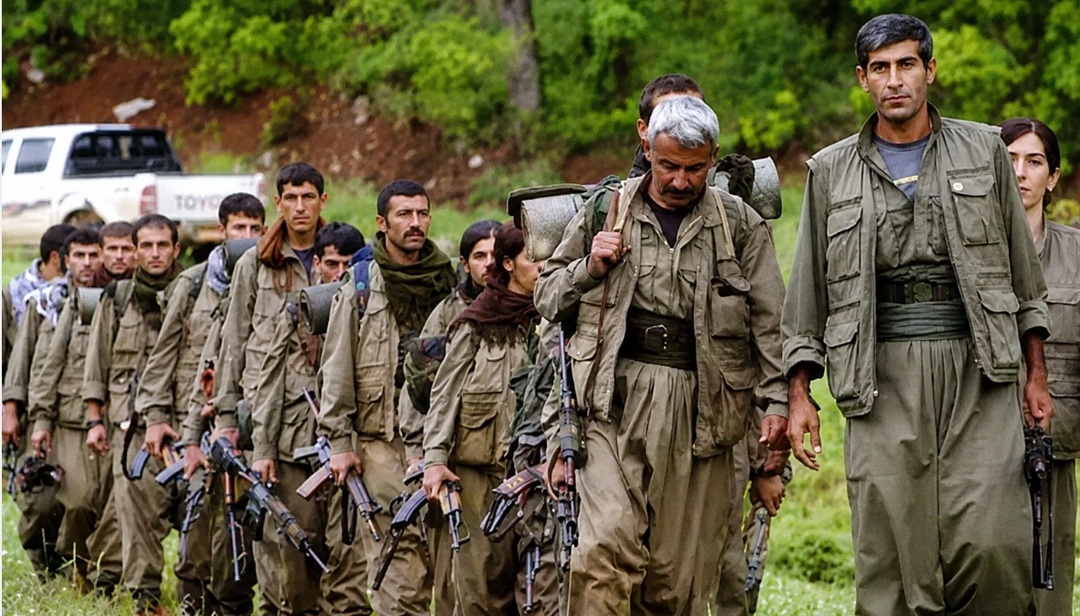
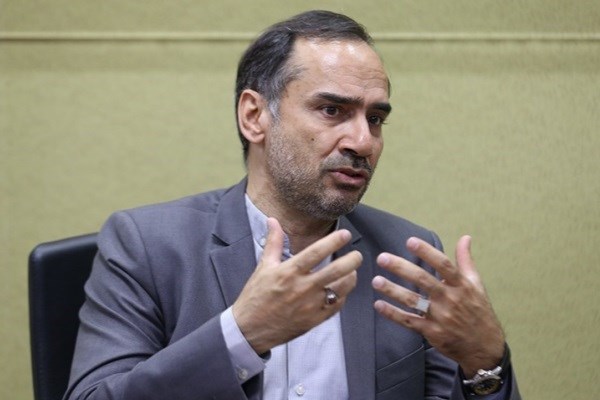
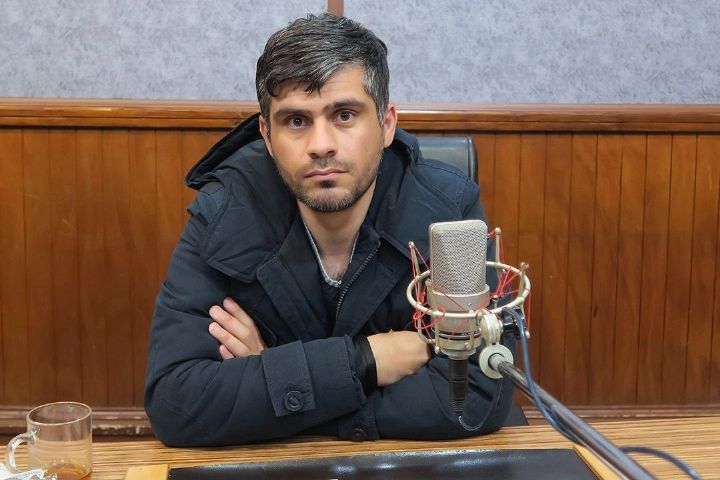
Regional affairs and terrorism analyst Seyyed Reza Qazvini says Iraq’s obligations under its security agreements with Iran and provisions of the Iraqi Constitution require Baghdad to address Iranian judicial requests concerning leaders of PJAK, Komala, the Democratic Party and PAK.
He argued that failure either to extradite or prosecute individuals accused of terrorism could amount to inadequate judicial cooperation and raise questions over the Iraqi central government’s ability to exercise
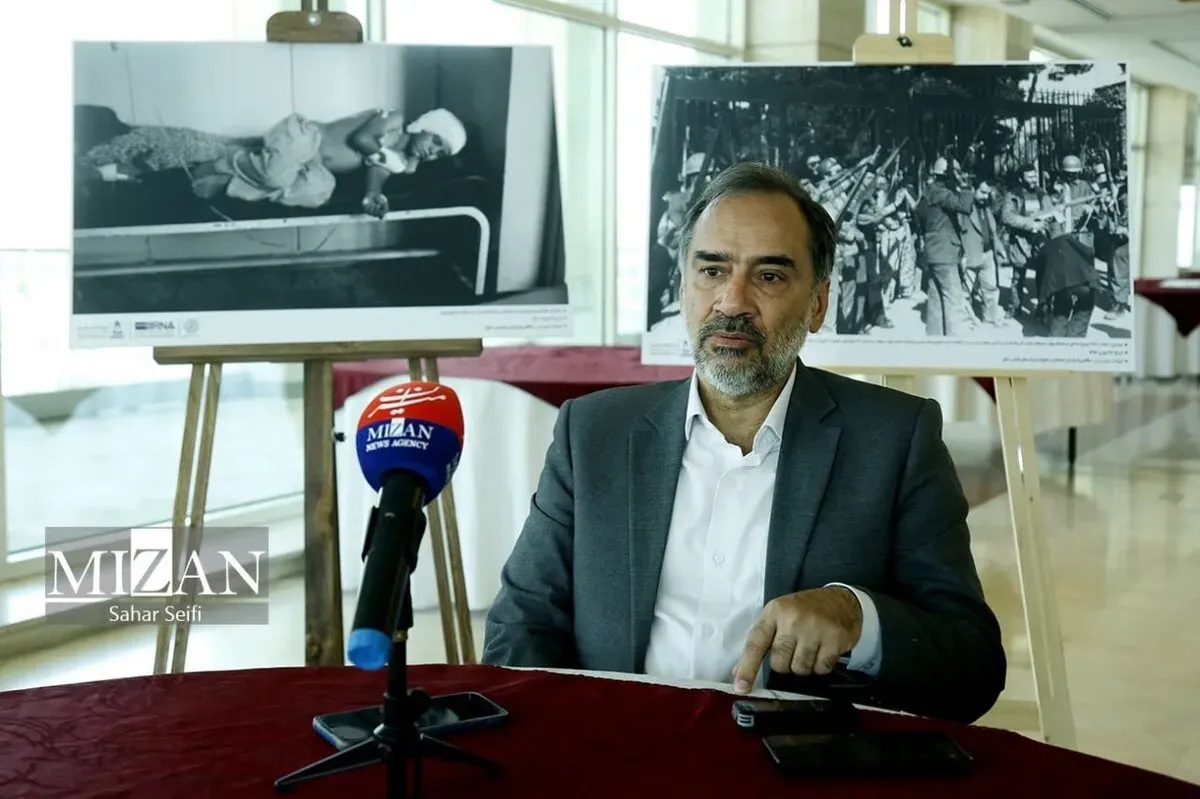
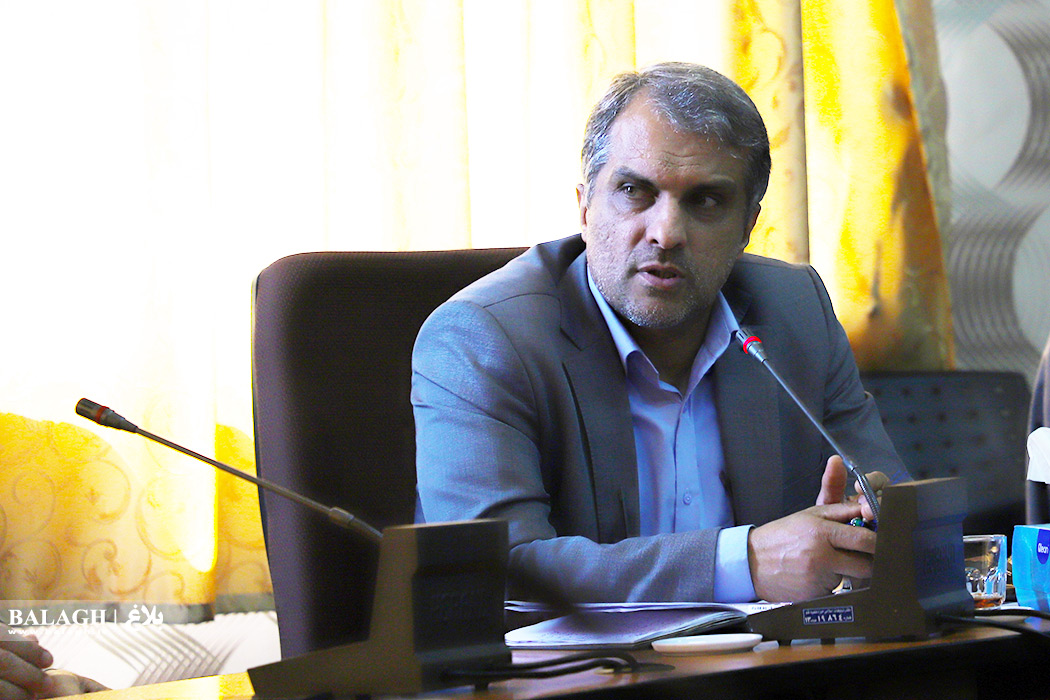
The lesson of Operation Mersad is that Iran’s adversaries and the Mujahedin-e Khalq repeatedly enter confrontations based on miscalculations and unrealistic assumptions, only to face the determination of the Iranian people, Habilian Association Secretary-General Mohammad Javad Hasheminejad said.
Operation Mersad, fought between July 26 and July 30, 1988, was not only one of the final major episodes of the eight-year Iran-Iraq War but also a turning point in Iran’s confrontation with the
An attorney representing a number of victims of attacks attributed to Iranian Kurdish armed groups says Iranian courts have issued judicial orders, Interpol Red Notices and extradition requests for a number of senior figures and members of PJAK, the Democratic Party, Komala and PAK.
The requests have been forwarded to Iraq and several European governments, according to the lawyer, who called on host countries to comply with their international obligations in combating terrorism.
Habilian
The Secretary-General of the Habilian Association stated that assassination and terrorism are among the tools used by countries such as the United States to advance their foreign policy objectives.
According to Habilian, at the beginning of American Human Rights Week, Radio Iran interviewed Seyyed Mohammad Javad Hasheminejad, Secretary-General of the Habilian Association. The following is a transcript of the interview.
Question: We are observing America Human Rights Week. In recent years, it
Dr. Fatemeh Azarkhordad, university professor, psychologist, and counselor, speaks with Habilian about the signs, consequences, and strategies for dealing with the trauma of terror in children.
Dr. Azarkhordad, as a first question, why is terror and violence more damaging and profound for a child than for an adult?
Let me start with a basic principle. A child is just beginning to understand the world. According to Erikson's theory, the first sense that forms within them is "trust" or
The head of the Bahrain International Center for Human Rights, criticizing the American and Zionist regime's war of aggression against Iran, stated: The Islamic Republic of Iran, in the face of the war of aggression by the United States and the Zionist regime, is exercising a legitimate and undeniable right to legitimate defense.
Baqer Darwish, in an exclusive interview with Habilian, said: According to the rules of international law, the right to legitimate defense for states is an inherent
Dr. Syedah Sadia Kazmi, Assistant Professor in the Department of Political Science and International Relations at the University of Management and Technology, Lahore, brings her expertise in counter-terrorism, national security studies, and fifth-generation warfare to bear on one of the most urgent yet overlooked dimensions of political violence: its disproportionate impact on women. In this far-reaching interview conducted for International Women's Day, Dr. Kazmi examines how terrorism—whether
Heba Smith, who holds a BA in Psychology and an MA in Theology and Islam, brings a unique and necessary dual perspective to one of the most pressing issues of our time: the exploitation and trauma of women at the hands of terrorist groups. In this powerful interview conducted for International Women's Day, she moves beyond surface-level analysis to dissect the sophisticated mechanisms of coercion—from isolation and love bombing to sexual violence—used by organizations like ISIS to manipulate
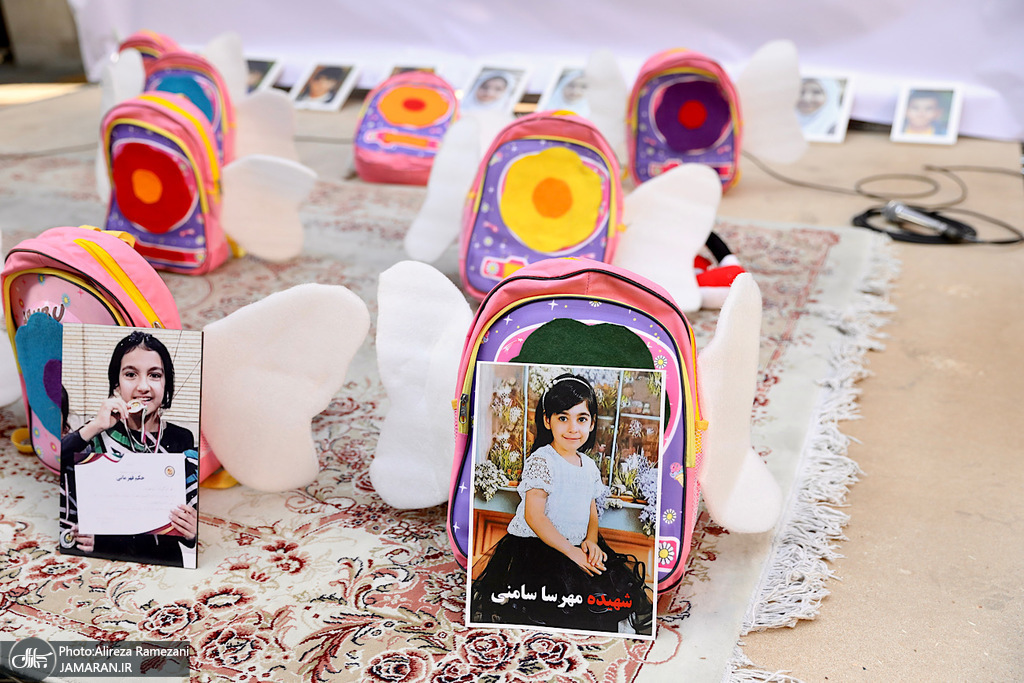
The Secretary of the Human Rights Headquarters stated that indifference and ignoring America’s crime at the Minab school will be an indelible stain on the foreheads of human rights bodies and officials. He added that supporters of aggression against Iran are among the greatest violators of human rights.
On the morning of Saturday, February 28, 2026, targeted the soil of the Islamic Republic of Iran and launched a criminal campaign. This military aggression, which continues in violation of
On the occasion of the International Day for the Prevention of Violent Extremism as and when Conducive to Terrorism, Habilian Association spoke with Molavi Yousef Gorgij, the prayer leader of the Prophet Muhammad (PBUH) Mosque in Zahedan. In this interview, the prominent Sunni scholar paints a vivid picture of the long-standing coexistence between Shiites and Sunnis in the region and firmly rejects claims by violent groups that they act in defense of Sunni rights. Emphasizing that “our flesh
Less than three weeks have passed since the events of January 8–10, 2026, in the country. These incidents once again revealed the role of bloodthirsty elements who, for years, in the guise of foot soldiers of foreign intelligence services — from Mossad to the CIA — have been active against the security of the Iranian nation.
The presence and activity of the Mujahedin-e Khlaq terrorist group in these events recall a bitter but familiar reality: that terror and violence remain the main tools of
Dr. Tim Anderson, an Australian scholar and author of several books on Middle Eastern politics, views the concept of "terrorism" within Western foreign policy parlance not as a fixed definition, but as a flexible political tool that shifts according to national interests. In this interview, he analyses the key distinction between "terrorism" and "legitimate resistance" under international law, emphasizing the inalienable right of peoples under occupation, apartheid, and genocide to resist –
The Secretary-General of the Habilian Association stated that the United States and the Zionist regime are behind the recent unrest in the country. He said the goal of the destructive and terrorist actions is hurting the Iranian people and everything related to their well-being.
The acts of sabotage and terror in recent days in various regions of Iran have occurred while the footprints of rioters and elements linked to the intelligence services of the Zionist regime and the United States have
With the intensification of positions and statements by anti-Islamic Republic groups, the Secretary-General of the Habilian Association warned against efforts by these currents to push Iran toward destabilizing scenarios similar to Libya. He emphasized that requests for foreign intervention and internal destabilization are part of a targeted project against the country’s territorial integrity.
Seyyed Mohammad Javad Hasheminejad, Secretary-General of the Habilian Association, in an interview
Her father was the head of Criminal Investigations in Saravan. A man whose sole concern was the security of the people and who approached the accused with composure and dialogue. For 10 years, in the easternmost point of the country, known as the birthplace of Iran's sun, he walked into the ambush of death in various operations; yet he stood firm. He was the pillar of the home, and in his shadow was a wife who, despite her husband's long absences and round-the-clock efforts to secure the
In an era where the battlefield has shifted from physical trenches to the space of the mind and beliefs of societies, cognitive warfare has emerged as the most complex and effective form of modern conflict. This invisible war, which combines psychological, cyber, and media tools to transform the intellectual structures of societies, has transcended the traditional boundaries of friend and foe and, by manipulating the perceptual system, seeks to create fundamental changes in the core beliefs of
Terrorist groups, utilizing asymmetric operations, psychological warfare, and new technologies, have become key tools in hybrid-cognitive wars. Supported by foreign powers, these groups pursue insecurity, delegitimization, and the weakening of social cohesion in target countries. Historical examples like ISIS, the Mujahedin-e Khalq (MEK), and Jaish al-Adl show how these groups have been used as proxy tools in hybrid wars. Meanwhile, cyberspace has become a vital arena for the spread of media
The recent twelve-day war served as a complex stage for hybrid warfare, where the West-Zionist axis orchestrated an unprecedented multi-dimensional assault on Iran's national security by simultaneously employing military, media, and cyber tools. This asymmetric battle can be analyzed through five central features: the calculated tripartite military-media-political coordination of the Zionist regime, America's guiding role as the primary designer of regional scenarios, the targeted
In the complex space of contemporary hybrid-cognitive warfare, terrorist factions, utilizing three key components—targeted narrative-building, cyber terrorism, and digital psychological operations—play a pivotal role in threatening national security. These groups, by exploiting platforms such as Telegram and Instagram, manage the synchronization of cyber and psychological attacks to intensify social chaos and delegitimize the system of the Islamic Republic, as witnessed in the recent twelve-day
Following Israel's widespread attacks on non-military facilities and civilians in Iran in June 2025, serious questions have been raised about the silence of international legal bodies regarding them. These attacks, which involved targeting nuclear centers, residential areas, and even a session of Iran's Supreme National Security Council, are reminiscent of patterns previously condemned as violations of international humanitarian law in cases of state terrorism—such as the US attack on Afghan

 Regional affairs and terrorism analyst Seyyed Reza Qazvini says Iraq’s obligations under its security agreements with Iran and provisions of the Iraqi Constitution require Baghdad to address Iranian judicial requests concerning leaders of PJAK, Komala, the Democratic Party and PAK.
He argued that failure either to extradite or prosecute individuals accused of terrorism could amount to inadequate judicial cooperation and raise questions over the Iraqi central government’s ability to exercise
Regional affairs and terrorism analyst Seyyed Reza Qazvini says Iraq’s obligations under its security agreements with Iran and provisions of the Iraqi Constitution require Baghdad to address Iranian judicial requests concerning leaders of PJAK, Komala, the Democratic Party and PAK.
He argued that failure either to extradite or prosecute individuals accused of terrorism could amount to inadequate judicial cooperation and raise questions over the Iraqi central government’s ability to exercise