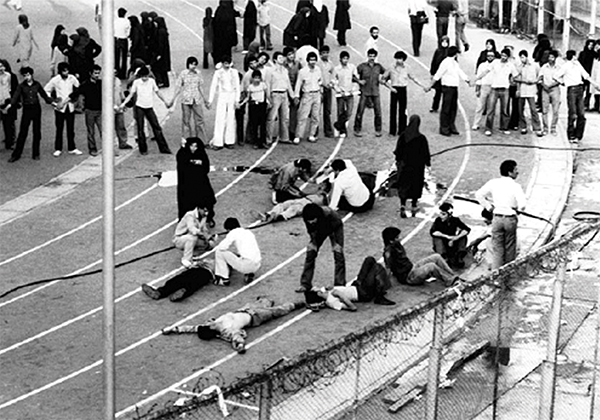
In May 1985, Seyed Mojtaba Hashemi returned to Tehran to attend to matters behind the front. While fasting for Ramadan, he was shot dead by members of the People's Mojahedin Organization of Iran (MEK) in his clothing shop on Tehran's Vahdat-e Eslami Street.
Hashemi had served in the army's Green Beret special forces. Before the Islamic Revolution, he left the Shah's army and joined the opposition to the monarchy. After the revolution and Ayatollah Khomeini's return to Iran, he joined the
The MEK carried out terrorist acts in the first days after Iran's 1979 revolution, helping prepare the ground for Baathist Iraq's invasion, according to this account. It then became complicit in Saddam Hussein's crimes against Iran and its people.
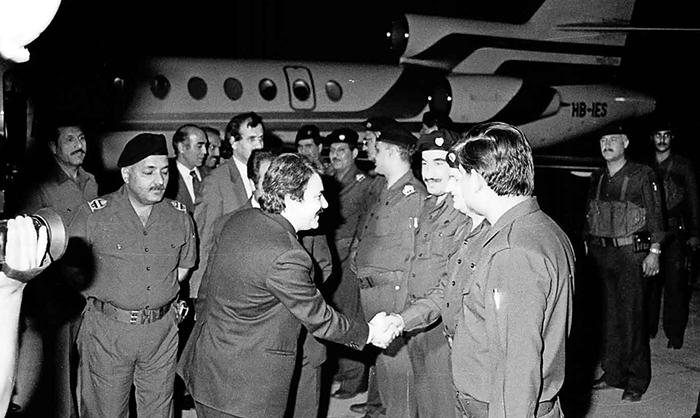
Iraq invaded Iran on September 22, 1980, expecting to seize parts of the country. The article says the MEK played a treacherous role at the outset and throughout the eight-year war. Cooperation extended to meetings between MEK leader Massoud Rajavi
Exclusive commentary: The United States' latest departure from the UN Human Rights Council should not be considered a decisive event or a major loss to the global human rights system, the author argues. Washington announced its withdrawal after international reporting on attacks on civilian targets, including a UN fact-finding mission's report concerning the Shajareh Tayyebeh school in Minab. He regards the move as part of a recurring pattern of avoiding international accountability. Washington
War is among humanity's oldest social institutions. Despite efforts to achieve peace, people have never fully escaped it. Yet warfare has changed with society, technology, and ways of thinking. Today's shift involves more than new weapons: the structure and logic of war themselves are changing.
War must be understood beyond the battlefield. Its structure includes personnel and equipment, but also education, laws, policy, doctrine, the economy, ideology, social capital, and collective
Identity today is neither fixed nor settled in advance. Young people continually build and redefine who they are, and encounter others' approval or rejection. Social media has accelerated this process. It is a principal place where people narrate and present themselves, then measure the response. Digital space is part of the environment in which a new generation forms its identity, not just a channel of communication.
Adolescents and young adults want to be seen, recognized, included, and able
How can someone who professes a religion founded on mercy justify killing another person in the name of that faith? Before examining violent behavior, we may need to reconsider our picture of religion itself. Mercy is among Islam's most fundamental ideas, linking a person's relationship with God, the Prophet, the Quran, and other people. The Quran opens with “In the name of God, the Most Compassionate, the Most Merciful,” and repeatedly invokes these attributes. Mercy is not merely one moral
August 22 is presented in the original commentary as coinciding with the International Day of Remembrance of and Tribute to the Victims of Terrorism, an observance recognized by the United Nations so that the international community can express solidarity with the victims of this destructive phenomenon. The question, however, is whether such solidarity remains confined to slogans or leads to practical action to uphold the rights of actual victims of terrorism.
Iran: A Victim of Terrorism and a
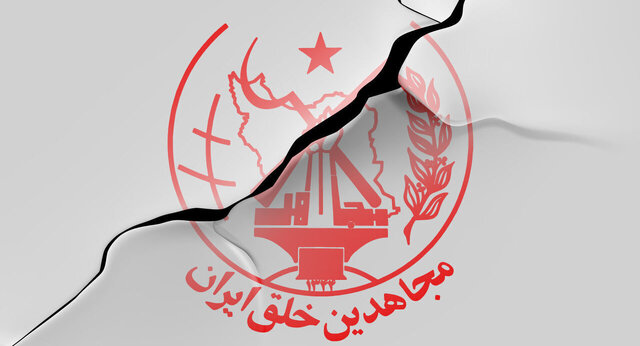
From the early years following Iran’s 1979 revolution, the Mujahedin-e Khalq (MEK) sought to expand its political influence and ultimately seize power. The organization became involved in political infiltration, assassinations and armed attacks before later aligning itself with Saddam Hussein’s Iraq during the Iran-Iraq War.
Rather than strengthening the MEK’s position inside Iran, these developments severely diminished what remained of its domestic support base.
Against this backdrop, in
Among the surviving documents of the Mojahedin-e Khalq Organization (MKO), The Commander's Voice is an audio recording of a speech by Mousa Khiabani, one of the organization's senior leaders. Published in March 1986, the document presents the MKO's retrospective account of how the organization transitioned from political activity to armed confrontation in 1981.
In the speech, Khiabani argues that the organization's adoption of armed struggle was not an immediate response to the events of June
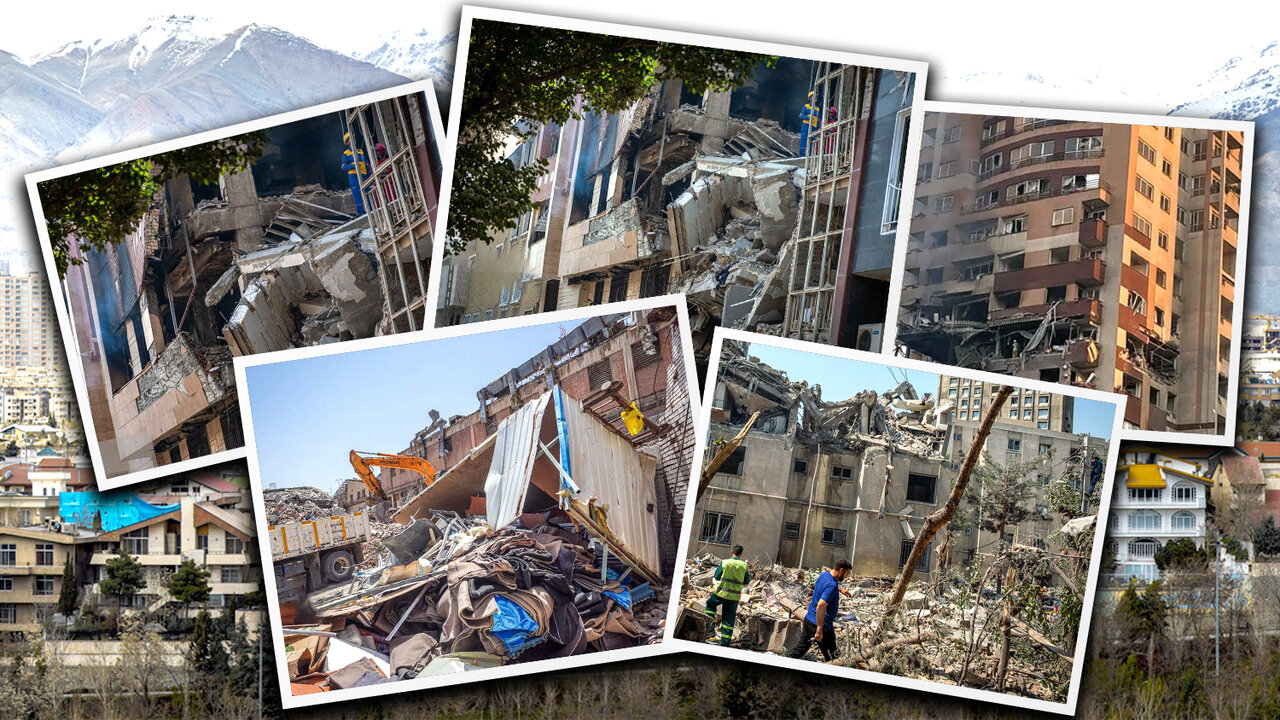
June 13 marks the first anniversary of one of the darkest violations of international law in the region's contemporary history; the military attack by the Israeli regime which in political literature became known as the 12-day war. What distinguishes this event from many military actions is not merely the number of victims—over a thousand Iranians—but the nature of the targeting, the locations of the attacks, and the demographic composition of the victims. In this illegal aggression, a number
Today, the President of the United States once again repeated his and his predecessors' usual tiresome accusations, charging Iran with supporting terrorism. When US officials accuse Iran of "state terrorism," they are, in fact, through a psychological projection, presenting an image of their own decades of violent and illegal conduct to public opinion for judgment. This is the same defensive psychological mechanism of projection that has become a familiar strategy in the foreign policy of
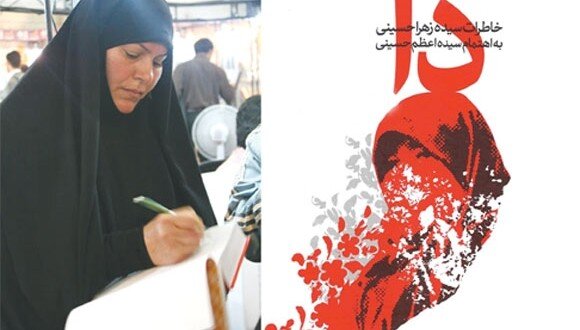
June 3rd (Khordad 3rd), the anniversary of the liberation of Khorramshahr, is not only a reminder of the bravery of the warriors of Islam; it is also testimony to the treachery of groups who, alongside the Ba'athist enemy, stabbed Iran's backlines. The book "Da" (Mother), the memoirs of Seyedeh Zahra Hosseini, presents a rarely seen image of the MKO's collaboration with Saddam during the days of Khorramshahr's occupation.
June 3rd (Khordad 3rd) is not just a golden leaf in the national honor
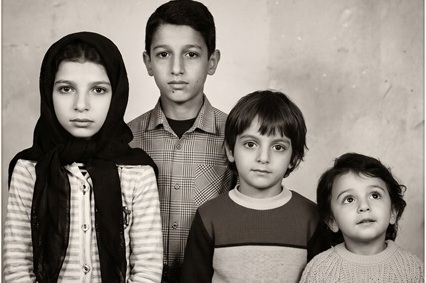
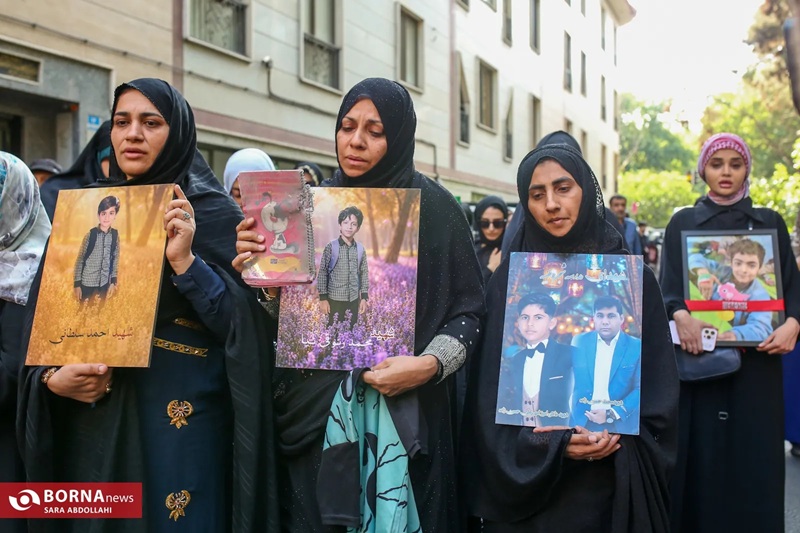
In the past two decades, terrorism has emerged not only as a security threat but as a fundamental challenge to the foundations of human rights and the international order. This phenomenon, trampling upon the basic rules of humanitarian law, primarily targets defenseless civilians, and among them, children, as the most innocent group, bear the brunt of this organized violence.
Within this global perspective, our homeland, Iran, as one of the countries that has borne the heaviest burden of
When assassination turns a child's brain into a factory for producing fear, salvation lies in a relationship that transmits the message "This place is safe" directly to their nervous system.
According to Habilian, at the specialized conference "Children in the Shadow of Terror" in cooperation with the Faculty of Educational Sciences and Psychology at Ferdowsi University of Mashhad, Dr. Seyed Amir Amin-Yazdi, a faculty member, criticized the mechanical view of the child victim and presented the
The name Carlo Ciccioli first appeared in publicly released reports by the Mojahedin-e Khalq Organization (MEK) on December 29, 2009. As chairman of the Italian Committee of Parliamentarians and Citizens for a Free Iran—a lobbying group established with MEK support—Ciccioli issued a statement criticizing the Iranian government and, while repeating MEK claims and rhetoric, accused Tehran of suppressing protesters.
Exactly two months later, Ciccioli participated in a hearing held jointly by the
On June 7, 1986, an airport on the outskirts of Paris witnessed the takeoff of an aircraft that marked one of the bloodiest and most treacherous chapters in contemporary Iranian history. As Massoud Rajavi, the leader of the terrorist Mojahedin-e-Khalq organization (MKO), also known as the Monafeqin (hypocrites), left France for Iraq, this move was dubbed a "historic flight" in the group's lexicon. In reality, it was the beginning of the final metamorphosis of a group claiming to fight for
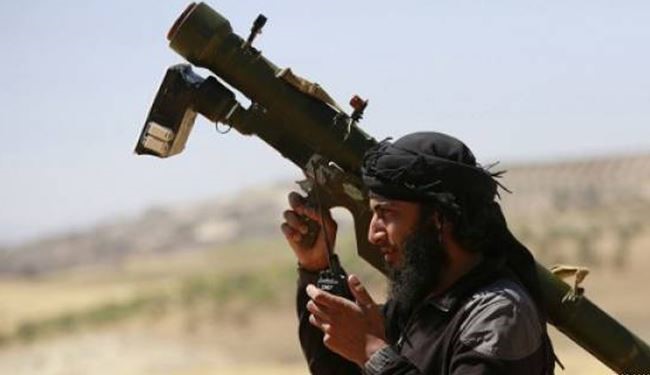
On May 2, 2025, Donald Trump, then President of the United States, took an unusual step during a press conference and effectively confessed to a covert arms operation against the Islamic Republic of Iran. According to a credible report by The Guardian, Trump, responding to a question about U.S. weapons intended for Iranian protesters that had been diverted to Iranian Kurdish opposition groups in Iraq, said: "I'm not happy about the weapons being delivered. I'm not thrilled about it, but a small
From the perspective of international law, the deliberate targeting of civilian water infrastructure constitutes a clear violation of the Geneva Conventions.
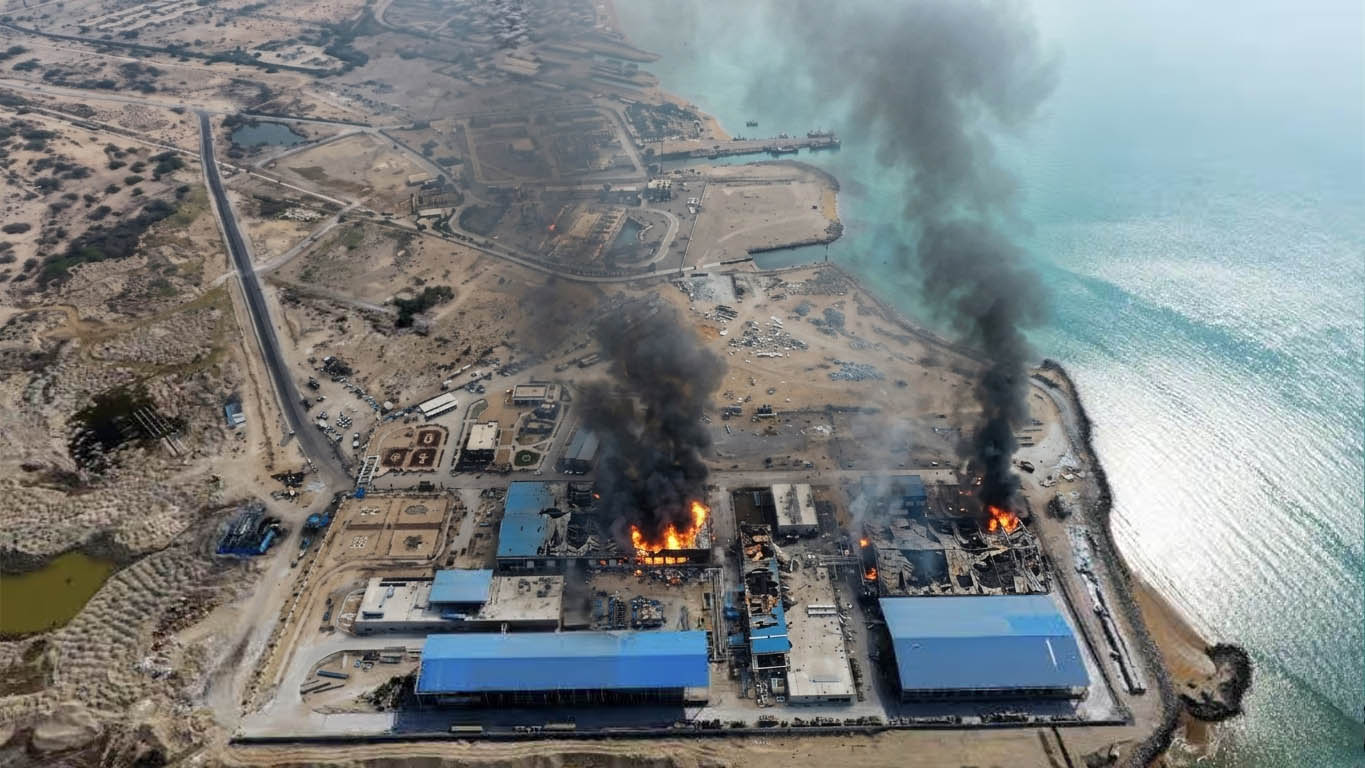
In the wake of the United States and Israeli regime's unconventional military strikes against Iran, reports of extensive damage to the country's vital water infrastructure at 300 locations — amounting to over 5,500 billion tomans — have sounded a serious alarm for Iran's national security and civil rights. According to the head of Iran's
Attacks on pharmaceutical and medical equipment manufacturing facilities are categorically prohibited under the principles of distinction and proportionality.
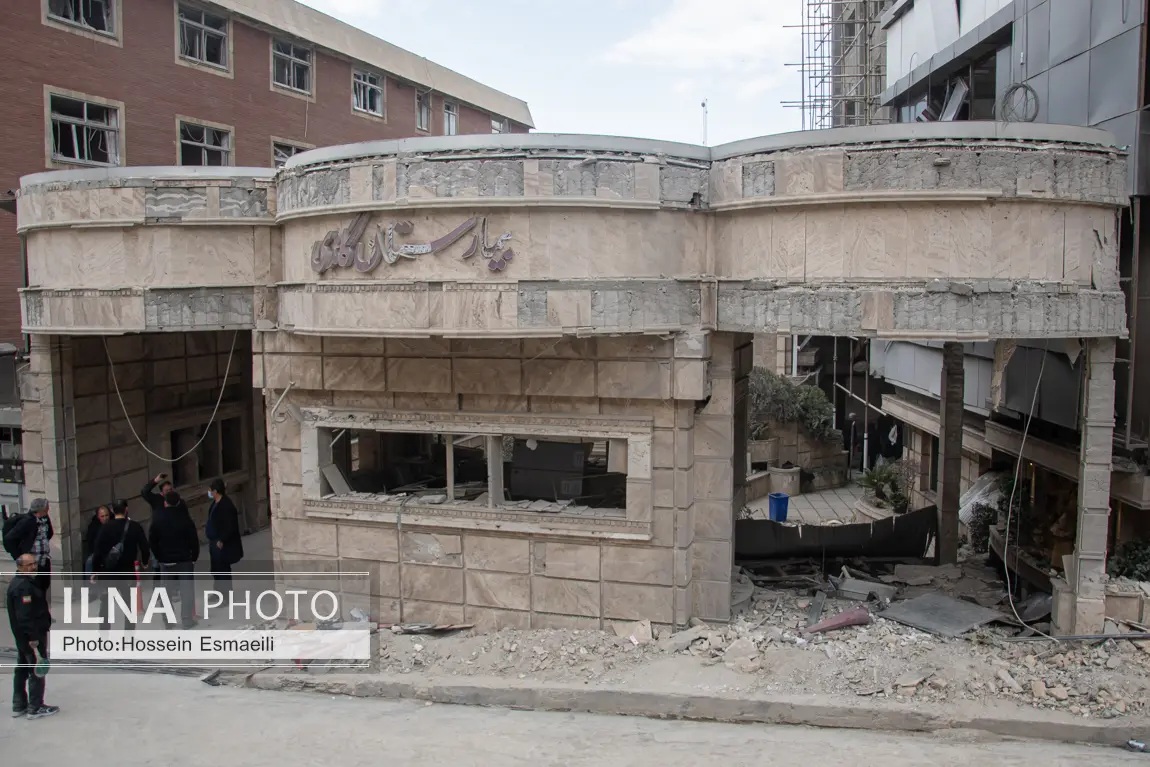
Statements by Fatemeh Mohammadbeigi, a member of Parliament's Health Commission, regarding attacks on 24 Iranian pharmaceutical and medical equipment companies have laid bare a reality that transcends ordinary wartime conduct. She described these attacks as "clear instances of war crimes" and emphasized that "the enemy's methods differ
Following reports of the beginning of attacks by the United States of America and the Zionist regime against our beloved country, these events have been described with terms such as “war,” “war crime,” and “terrorist act.” This variety of descriptions raises the question of exactly which legal framework these actions fall into: Are we facing a war, examples of war crimes, or even terrorist actions? These titles are not merely verbal differences; each carries important implications in the domain

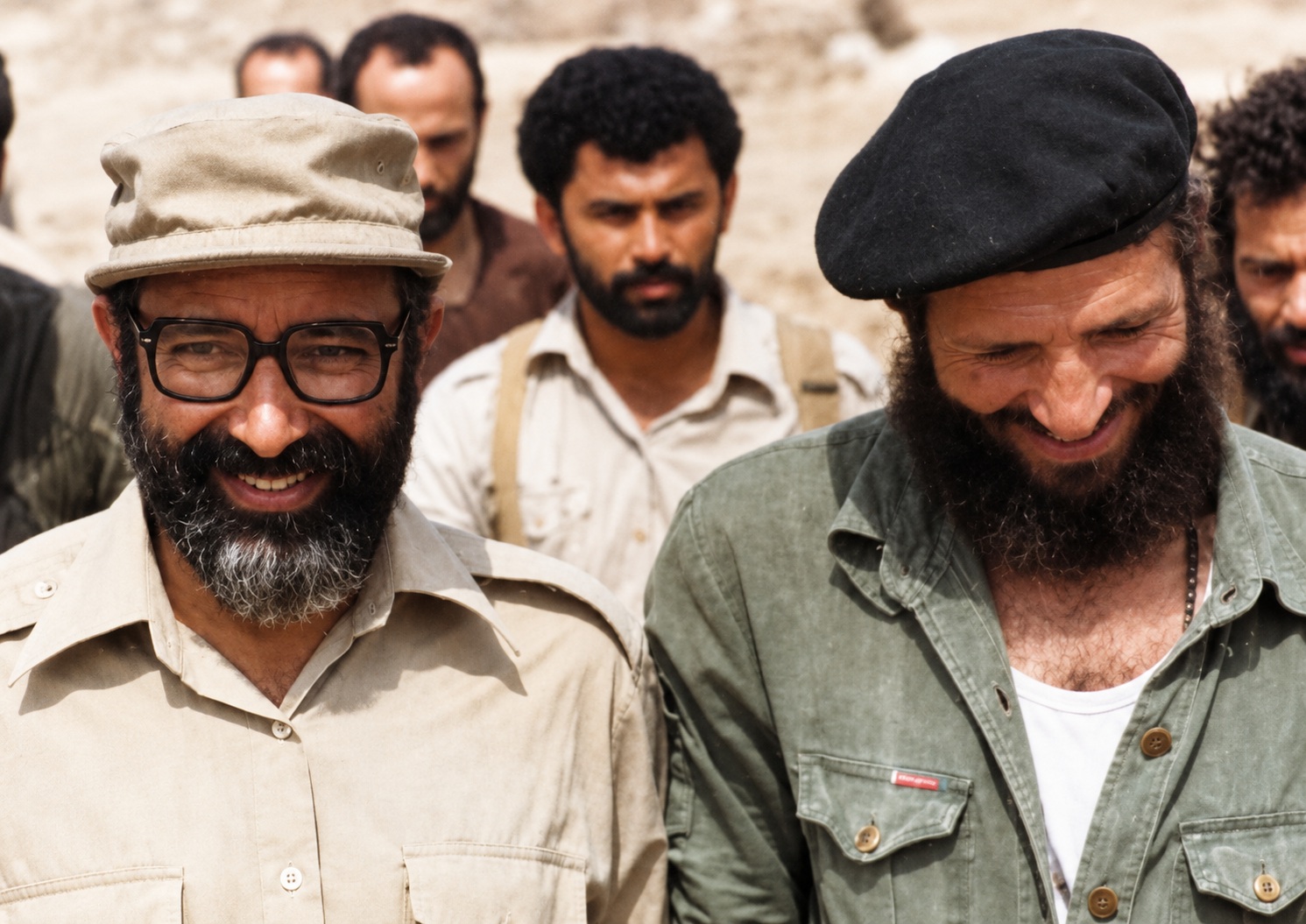 In May 1985, Seyed Mojtaba Hashemi returned to Tehran to attend to matters behind the front. While fasting for Ramadan, he was shot dead by members of the People's Mojahedin Organization of Iran (MEK) in his clothing shop on Tehran's Vahdat-e Eslami Street.
Hashemi had served in the army's Green Beret special forces. Before the Islamic Revolution, he left the Shah's army and joined the opposition to the monarchy. After the revolution and Ayatollah Khomeini's return to Iran, he joined the
In May 1985, Seyed Mojtaba Hashemi returned to Tehran to attend to matters behind the front. While fasting for Ramadan, he was shot dead by members of the People's Mojahedin Organization of Iran (MEK) in his clothing shop on Tehran's Vahdat-e Eslami Street.
Hashemi had served in the army's Green Beret special forces. Before the Islamic Revolution, he left the Shah's army and joined the opposition to the monarchy. After the revolution and Ayatollah Khomeini's return to Iran, he joined the