 With the intensification of positions and statements by anti-Islamic Republic groups, the Secretary-General of the Habilian Association warned against efforts by these currents to push Iran toward destabilizing scenarios similar to Libya. He emphasized that requests for foreign intervention and internal destabilization are part of a targeted project against the country’s territorial integrity.
Seyyed Mohammad Javad Hasheminejad, Secretary-General of the Habilian Association, in an interview with Fars News Agency’s judicial correspondent, warned about recent developments and efforts by some opposition groups to lead Iran toward regional destabilizing scenarios. Referring to the fact that contemporary Middle East history is full of costly experiences for nations, he said: Examining developments in countries that entered the path of foreign intervention under slogans such as “freedom” and “international support” shows that this process has in many cases led to civil war, collapse of national structures, and territorial disintegration.
Hasheminejad added that a review of statements and positions by opposition groups to the Islamic Republic at the beginning of 2026 indicates that what is on the agenda of some of these currents is not the realization of democracy but the creation of instability and weakening of Iran’s geographical integrity — a pattern previously observed in countries such as Syria and Libya.
According to the Secretary-General of the Habilian Association, one of the most concerning recent developments is the open requests by some separatist groups for foreign intervention. He pointed to the recent positions of the so-called “Free Life Party of Kurdistan” (PJAK) and said this group, citing the “Responsibility to Protect” (R2P) doctrine and proposing a “no-fly zone” over parts of Iran, has effectively called for weakening the country’s defensive capabilities and paving the way for foreign military intervention — an approach with a similar precedent in NATO’s bombing of Libya.
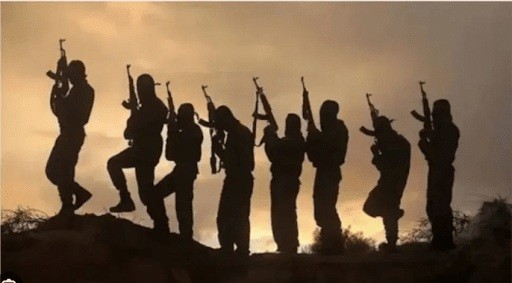
Hasheminejad also clarified that, simultaneously with these atmosphere-building efforts outside the country, terrorist branches inside are trying to create insecurity through violent actions. He noted that the so-called National Council of Resistance — the political arm of the Mujahedin — has admitted to carrying out dozens of operations against Basij centers and government institutions, indicating an effort to create chaos and provide pretexts for international pressure. These currents seek to provoke security reactions, paving the way for reports and positions by international institutions and figures, thereby intensifying political, sanctions, and even military pressure against Iran.
Referring to statements by some former American officials, including comparisons of Iran with the Soviet Union, Hasheminejad said the collapse of the Soviet Union led to the formation of 15 new countries, and such comparisons reveal a disintegrative view that some circles hold regarding Iran’s future. In the same vein, groups such as the Democratic Party of Iranian Kurdistan, by emphasizing “targeted sanctions,” are effectively pursuing economic pressure on the people as a tool to create unrest.
In conclusion, Hasheminejad emphasized that the positions and statements of groups such as PJAK, Komala, and the Mujahedin establish a meaningful link between claims of seeking freedom, foreign intervention, and internal unrest. In the current situation, preserving stability, territorial integrity, and national sovereignty means preventing the repetition of the bitter experiences of some regional countries that imposed heavy costs on their nations.