 In recent years, the Iranian nation has been the victim of one of the most complex and organized media and psychological projects; a project that, utilizing Persian-language networks affiliated with hostile governments and foreign psychological warfare rooms, has attempted through systematic disinformation, distortion of realities, extensive negative portrayal (with a pattern of "magnifying weaknesses and eliminating strengths"), promotion of violence, support for street riots and armed groups, ethnic and religious separatism, illegal sanctions against the Iranian nation, and normalization of foreign aggression, to target the foundations of national security, territorial integrity, and social cohesion of the country.
In recent decades, the world has witnessed the emergence of a new type of hybrid warfare, in which the media is no longer merely an information tool but a strategic weapon for destroying national security, inciting violence, legitimizing terrorism, encouraging sanctions on nations, paving the way for foreign aggression, and even actively participating in psychological operations against nations. This phenomenon is also recognized in international military and legal documents.
Examples of Media Actions Against Iran
Certain Persian-language networks affiliated with hostile governments and foreign psychological warfare rooms have openly supported the economic sanctions against the Iranian people as a tool for "behavior modification," incited against the sale of medicine and food, provided platforms and direct communication with audiences for terrorist and separatist cults, promoted violence, armed struggle, destruction of public property, and assassination of scientific and security figures; justified foreign military aggression and attacks on Iran and pursued the "normalization of aggression" in public opinion, prepared public opinion for foreign intervention, proxy war, and hostile actions, and created a psychological atmosphere for cyber and sabotage operations, and in some cases even engaged in whitewashing war crimes and attacks on civilian infrastructure.
Legal Basis and Criminal Responsibility of Terrorist Media
Today, the issue is no longer merely a political or media disagreement; rather, it concerns the legal, criminal, and international responsibility of natural persons, legal entities, and state and private financial and technical supporters involved in the cognitive war against the Iranian nation.
Based on established principles and rules of international law, including: the principle of prohibiting incitement to violence and terrorism; the principle of non-interference in the internal affairs of states; the prohibition of war propaganda; civil and criminal liability for organized dissemination of falsehoods; rules of international responsibility of persons and institutions cooperating in transnational crimes; and command and superior responsibility, which is also extendable to media managers.
Any natural or legal person who knowingly participates in designing, encouraging, facilitating, financing, or legitimizing terrorist, violent, or inhumane acts is subject to prosecution in domestic courts and, in some cases, courts of other countries based on universal jurisdiction and extradition or prosecution rules. Therefore, filing lawsuits against these networks and their affiliated elements is not merely a political or emotional action; it is a legitimate legal defense of the Iranian nation's dignity, security, life, property, fundamental rights, and psychological integrity. These lawsuits can be filed at three levels: Iranian domestic courts, judicial authorities of third countries under universal jurisdiction, and the International Criminal Court if crimes against humanity are established.
Rights of Victims and the Role of Judicial Authorities
Undoubtedly, the families of terror victims, victims of the recent years' riots directly incited by hostile media calls, those harmed by media operations, economic activists affected by media-driven sanction-seeking, and the general citizens whose psychological and social security was targeted, have the right to file lawsuits against these elements based on domestic laws and international instruments.
The Center for Lawyers, Official Experts and Family Advisors of the Judiciary, while emphasizing the inalienable right of the Iranian nation to legally pursue these organized actions, invites internationally-experienced jurists, lawyers, university professors, affected families, digital documentation centers, investigative journalists, and all honorable Iranian people to participate in the national movement for the legal prosecution of media crimes and hybrid warfare against the Iranian nation by presenting documents, evidence, and their demands to domestic, regional, and international judicial authorities.
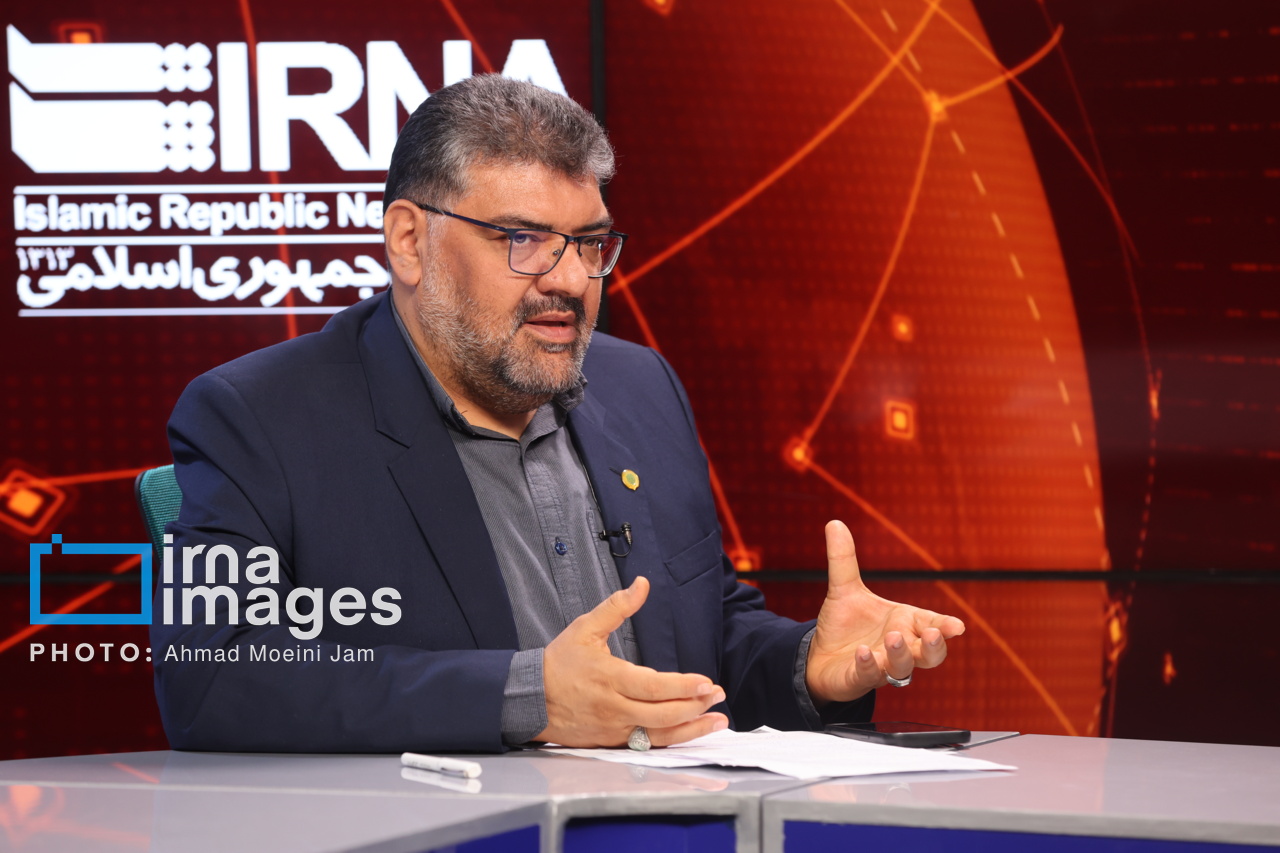
By Hassan Abdolian Pour; Head of the Center for Lawyers, Official Experts and Family Advisors of the Judiciary
For greater effectiveness, it is suggested that a National Committee for Documenting Cognitive Warfare be formed with the cooperation of the Judiciary, the Ministry of Foreign Affairs, and the Center for International Legal Affairs of the Presidency, and that symbolic cases be prioritized for filing in countries with favorable laws for prosecuting incitement to violence.
Undoubtedly, just as field crimes are not subject to historical statute of limitations, participation in psychological warfare, incitement to violence, media support for terrorism, and paving the way for aggression against nations will not be erased from the legal memory of nations.
The Iranian nation has the right to demand the truth, has the right to demand justice, and has the right to bring the commanders, instigators, financial and technical supporters, and executors of the media and cognitive war against it before international justice. This demand is not only a national right but a human duty towards future generations to uphold the principle that "no crime should go unanswered."