
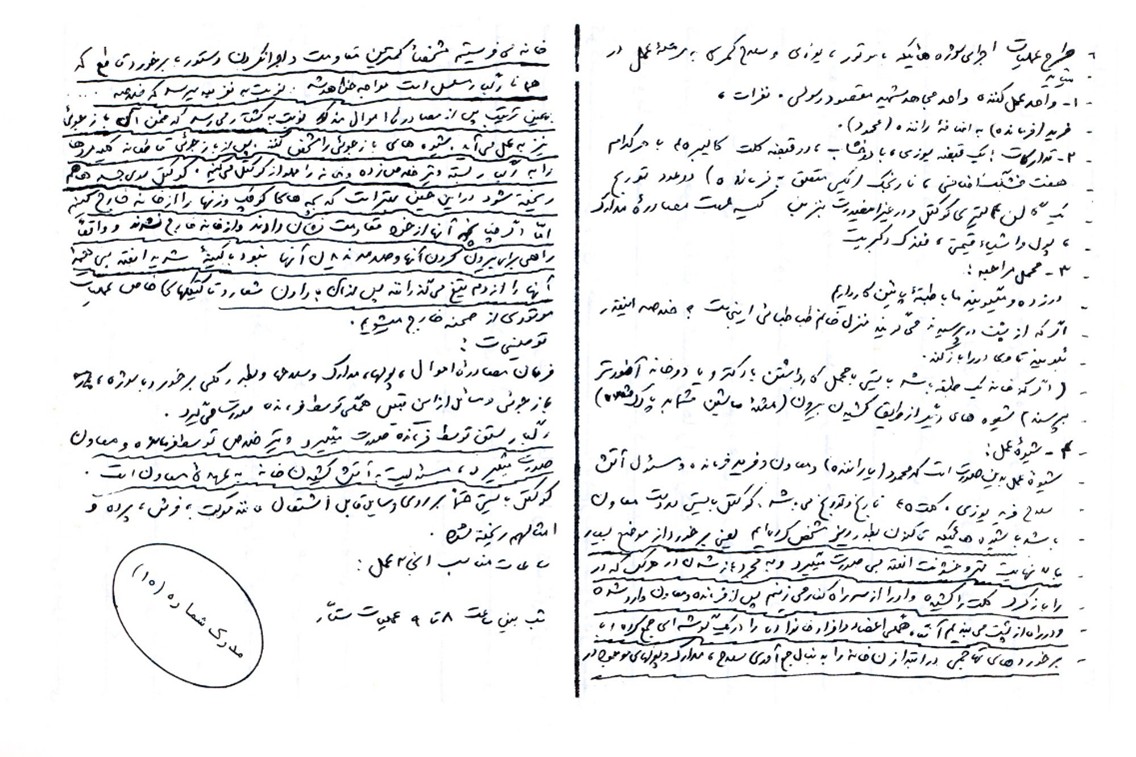
 One of the arrested members of the MKO terrorist organization in the 1980s confessed that members of the organization were ordered, after every assassination, to burn the homes of the assassinated individuals and the bodies of the martyrs in order to create fear and terror in society and force people to join them.
The MEK terrorist organization committed horrific crimes in the history of this land during the 1980s. These crimes escalated after the organization despaired of its political activities against the Islamic Republic and entered the military phase. It implemented its plan in three stages: first, assassinating high-ranking officials of the country; second, destroying the military body of the country; and third, preparing for an all-out uprising and liberation.
After assassinating several high-ranking officials such as martyrs Beheshti, Rajai, and Bahonar, the MEK terrorists, in pursuit of the second stage—destroying the country’s military body—targeted IRGC members, Basij volunteer forces, members of the Islamic Revolution Committees, Islamic associations, Construction Jihad, and social institutions. They also placed ordinary people on their assassination list. Anyone who supported the Islamic Revolution in any way—armed or unarmed, politically or economically—even those with a religious appearance or who had hung a photo of Imam Khomeini in their shop, was assassinated.
The document below contains the confession of an arrested MEK member named Hossein Sheikh al-Hokama, who explicitly stated that MKO members were ordered, after every assassination, to burn the homes of the victims and the bodies of the martyrs in order to create fear and terror in society and persuade people to join them.
Massoud Rajavi, the leader of this terrorist organization, hypocritically claimed: “We do not believe in blind revenge nor in the physical destruction of individuals; therefore, we in no way desire a policy of physical elimination. We do not want blind revenge, nor do we want what is called killing and these savage massacres. The goal is for the people to join us.” These statements were made while the MEK was carrying out blind assassinations and savage massacres.
This MEK terrorista, in his confession about the organization’s orders to its members to assassinate and burn people’s homes and the bodies of martyrs, said: “Terrorist guidelines were systematically theorized and provided to us in educational booklets, and we were the main executors of these guidelines. Here we examine the exact educational bulletins related to assassination and burning homes and bodies.
In the military manual it is stated: ‘Now we point to one of the tactics that is of special importance, has many opportunities for execution, and has not yet been carried out. This tactic, although very simple and requiring little energy, has crushing effects on the enemy in practice—especially widespread psychological effects. In any war, the morale and psychological states of both sides have a great impact on the outcome of confrontations and operations. Unfortunately, despite explanations given to some operational units in this regard, it seems its importance has not yet been fully realized.
The subject of this tactic is “burning.” Pay attention: its importance has still not been realized, and operational forces in general have refused to carry it out. Or in another educational bulletin that came from above and according to which military personnel were to carry out these actions, it is stated: With the methods we have specified in detail so far (that is, confrontation from a very high position), ultimately revolutionary anger and violence takes place. As soon as the door is opened, whoever opens it, we draw our Colt and remove him from the way. Then the commander and deputy enter and close the door behind them. Then all members gather the family members in one corner and, with aggressive confrontations, first send the woman of the house to collect their weapons, documents, and money. The slightest resistance or failure to obey will be met with decisive confrontation—that is, a burst of machine-gun fire. Then it is the next person’s turn. In short, after confiscating the aforementioned property, it is time for the massacre, during which interrogation is also carried out. Specify the interrogation methods. After decisive interrogation, shoot all the men with bursts of fire, deliver the coup de grâce, and fill the house with Molotov cocktails. Pour Molotovs on the bodies as well. In the meantime, it is better to take the small children and women out of the house. If they refuse, kill all of them with revolutionary anger and hatred.’”