
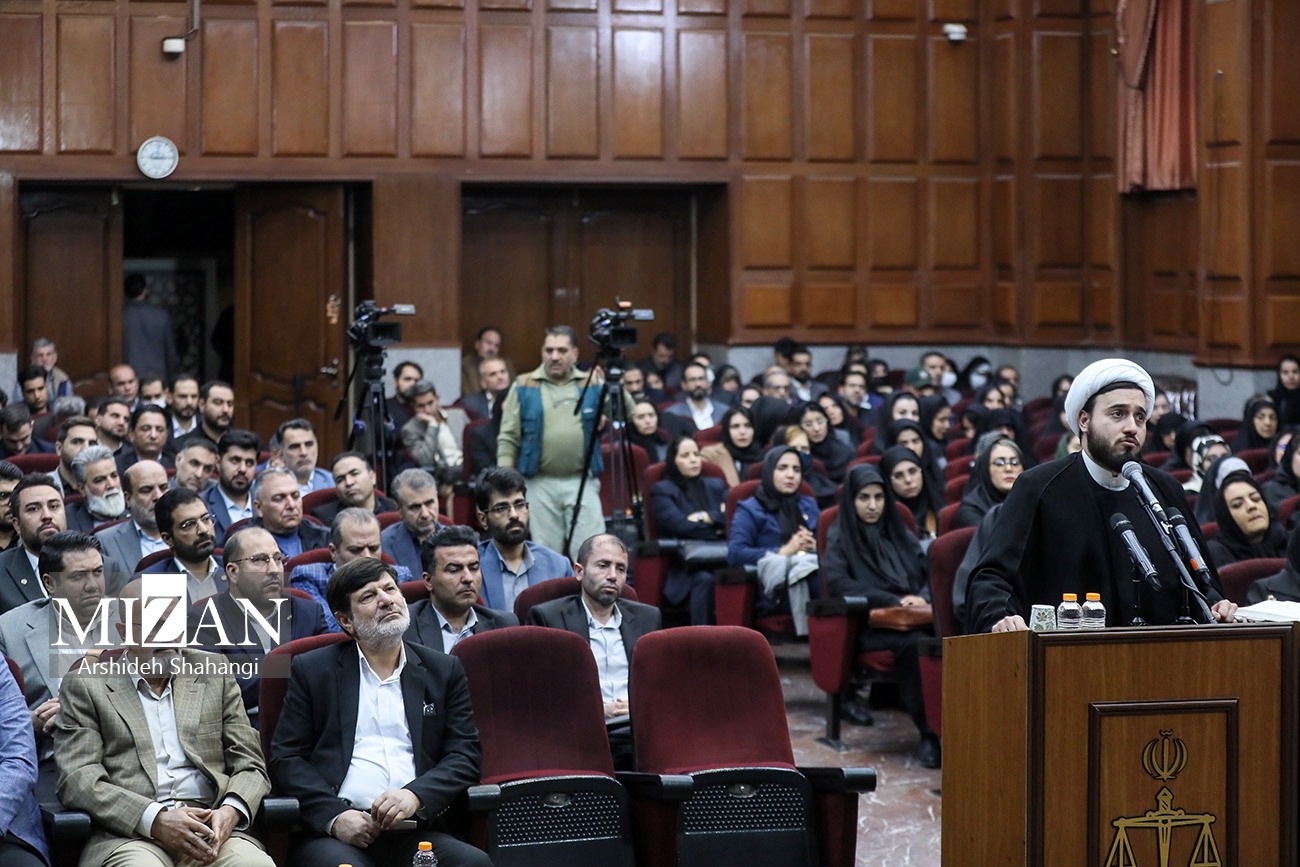
 The 44th and 45th sessions of the criminal court examining charges against 104 members of the Mujahedin-e Khalq (MEK) convened in Tehran, with the presiding judge issuing a stark warning to Western nations hosting the group’s members. Judge Amir Reza Dehghani, presiding over Branch 11 of the Criminal Court, emphasized that under international law, countries such as France and the United Kingdom are legally obligated to extradite the accused now that a competent judicial tribunal has been established to hear the charges.
In his opening address, Judge Dehghani directly criticized the "double standards" employed by European governments in their approach to terrorism. He asserted that these nations must adhere to the principle of extradition and abandon policies that shelter individuals accused of severe terrorist activities. The judge reiterated that the court is being conducted publicly and in accordance with legal standards, ensuring the right to defense, and thus there is no valid legal ground for these countries to refuse cooperation or delay the return of the defendants.
The session also featured testimony regarding the group's internal abuses and military operations against Iran. Representatives from the Iranian Army and commanders involved in the counter-operation "Mersad" gave evidence, alongside victims' families who spoke of the group's alleged human rights violations, including "forced divorces" and the separation of families. One witness, a former member of the organization, provided a firsthand account of the recruitment and internal control mechanisms used by the group’s leadership.
Concluding the proceedings, the court declared its resolve to utilize all available legal capacities to compel Albania, the UK, and France to comply with their extradition obligations. Judge Dehghani announced that the judiciary would aggressively pursue the return of the accused through international legal channels. The court adjourned the session, scheduling the next hearing for early December, as the prosecution continues to build its case against the organization’s leadership and its members.