
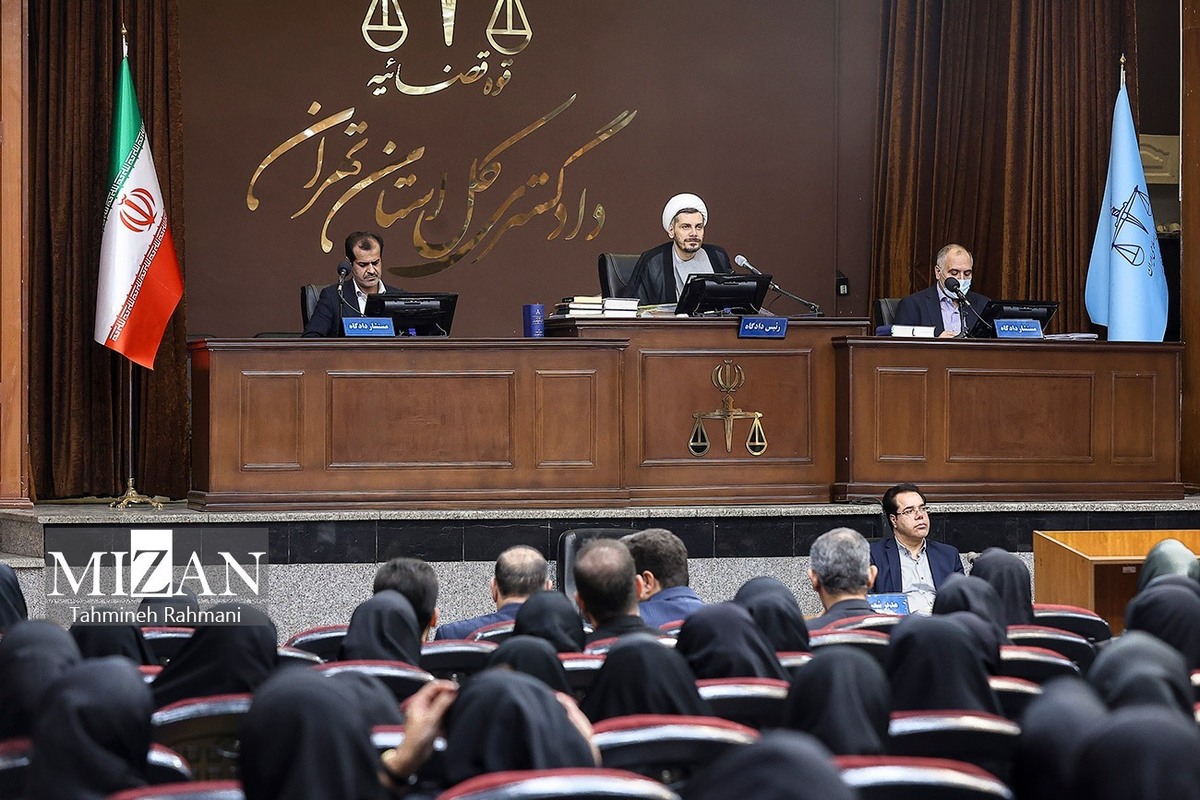
During the 42nd session of the criminal court examining the charges against the Mujahedin-e Khalq (MEK), the presiding judge declared that member states of anti-terrorism conventions are legally prohibited from harboring individuals accused of terrorist activities.
Judge Dehghani, presiding over the court in Tehran, emphasized that the actions of certain Western nations stand in direct contradiction to their international obligations. He argued that under established "four-party treaties" and global conventions, signatory countries have committed to denying safe haven to terrorists. "Hosting defendants accused of terrorism by countries that are members of these anti-terrorist treaties is a clear violation of the treaties themselves," Dehghani stated, noting that international law does not permit a country to sign a pact against terror while simultaneously sheltering its perpetrators.
The judge specifically addressed France and other European nations, challenging them to adhere to the agreements they have signed. He pointed out that if these governments truly believe in the international covenants they are party to, they cannot legally host the defendants currently on trial. The court stressed that the charges against the 104 defendants—which include bombings and crimes against humanity—are severe enough that providing them with asylum or a platform for operation breaches the spirit and letter of international law.
Concluding his remarks, Judge Dehghani invoked the international principle of aut dedere aut judicare (extradite or prosecute). He reminded the host governments that they are obligated to either extradite the accused to Iran for justice or prosecute them within their own judicial systems. The judge insisted that with the court proceedings being held publicly, there is no justification for these countries to continue hosting the group's members, and he called for an immediate end to their sanctuary.