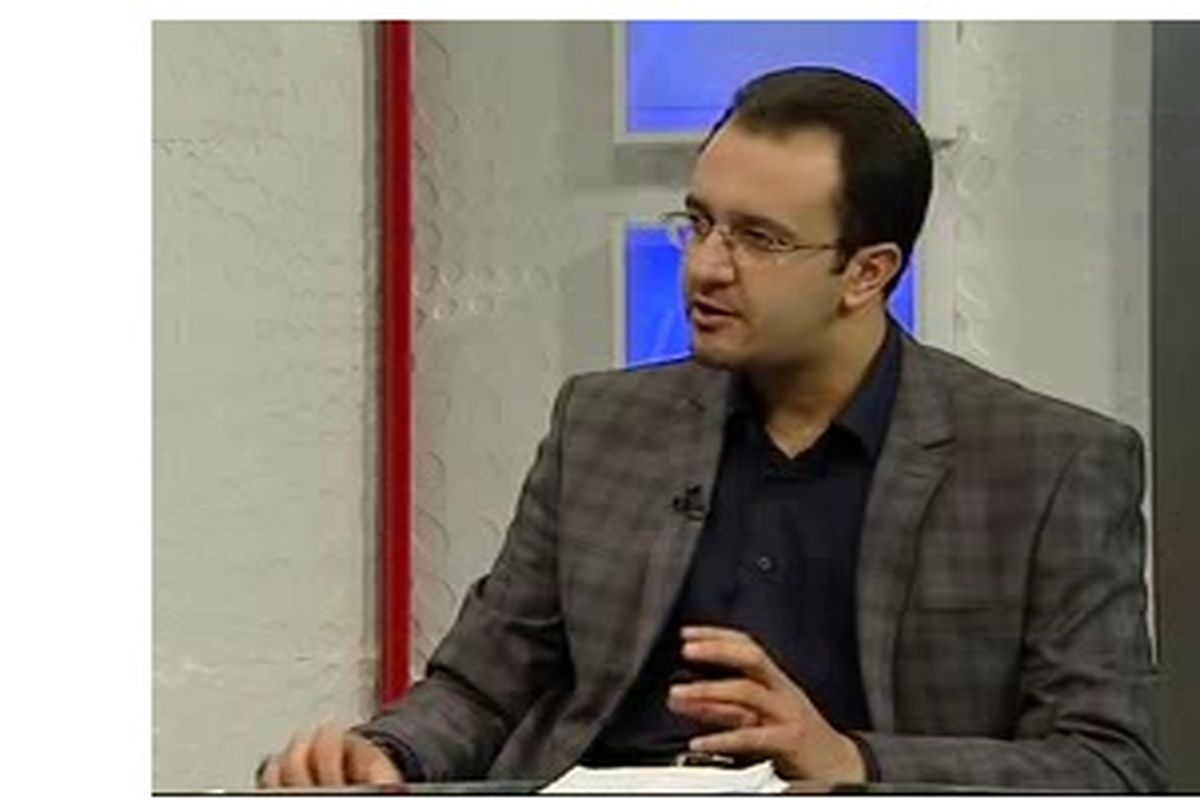
 In the complex space of contemporary hybrid-cognitive warfare, terrorist factions, utilizing three key components—targeted narrative-building, cyber terrorism, and digital psychological operations—play a pivotal role in threatening national security. These groups, by exploiting platforms such as Telegram and Instagram, manage the synchronization of cyber and psychological attacks to intensify social chaos and delegitimize the system of the Islamic Republic, as witnessed in the recent twelve-day war with the deployment of novel tactics such as producing shocking content, calls for violence, and implying government inefficiency. Houshang Sheikhi, a Middle East affairs expert, in this conversation, provides a comprehensive analysis of these threats and, while examining the mechanisms of the cognitive warfare of terrorist factions, outlines practical countermeasures including enhancing media literacy, strengthening elite activism, and utilizing modern technologies to monitor and neutralize destructive campaigns.
This interview attempts to provide effective strategies for countering the increasing threats of these groups in cyberspace and on the ground through a deep analysis of various dimensions of hybrid warfare.
What are the three key components of hybrid-cognitive warfare in which terrorist factions play a pivotal role?
Ethnic terrorist groups, both in their existential narrative, structure, and function, fundamentally always prioritize narrative-building; to the extent that based on this narrative-building, they pursue othering, antagonism, rancor, and violence. Narrative-building for the purpose of rancor and these groups' framing of realities is continuously used in the cognitive warfare of Iran's enemies as part of hybrid warfare. Implying inefficiency, psychological operations aimed at eroding trust and delegitimizing the country's political system are part of the techniques used under the component of narrative-building. Of course, they also frequently utilize a component like cyber terrorism. So much so that hardly anyone who has spoken about revealing the nature of ethnic terrorist groups has not personally been subjected to cyber disrespect or life-threatening threats. Cyber terrorism, in its broad definition—from cyber actions against data and users to violent and life-threatening threats—can be observed in the record of active members of ethnic terrorist groups.
How do factions use platforms like Telegram and Instagram to create synchronization between cyber attacks and psychological operations?
Examining the performance of elements of opposition terrorist groups in Iran shows that as prominent agents of highlighting and framing for the purpose of narrative-building desired by the cognitive war, they enter the scene at the moments of cyber attacks against data and cyber centers, similar to moments of ground attacks against individuals and public and residential places, to dominate the narrative desired by the employer of the hybrid war against Iran in the cognitive domain.
From the very first moments of the conflict that began on Friday, June 13, a clear propaganda campaign was underway. In support of the Zionist project, certain media outlets and opposition groups used repetitive messaging and half-truths to push a central theme: the collapse of Iran's political system. A key part of this was the claim that "Israel only targets military sites." To make the idea of a collapsing system seem credible, these actors also heavily promoted a narrative of severe food and fuel shortages across Iranian cities. Many Iranians experienced this firsthand on platforms like Telegram and Instagram, where terrorist and opposition accounts amplified stories of shortages in oil, rice, and other staples. This tactic often created panic buying. However, when people actually went to their local stores, they frequently found the situation to be the complete opposite of what was being reported online.
What new tactics did terrorist factions use in the twelve-day war for producing and disseminating cognitive content?
From the first day of the conflict, the terrorist groups PAK and Dirnish used their English-language X (formerly Twitter) accounts to spread fear and panic. The PAK group called for a public uprising in Kurdish areas. They also republished old content that incited violence against military personnel and supporters of the political system. Meanwhile, the Dirnish faction circulated a pamphlet on Telegram and other platforms titled "Introductory Guide to Popular Resistance; Defense of Home, Defense of Azerbaijan." In it, they urged ordinary citizens to arm themselves with any available weapon, predicting the imminent collapse of the government in West Azerbaijan and calling for engagement with the local Kurdish population.
Given the country's information and military shock on the first day of the Zionist regime's aggression against Iran and the killing of Iranian citizens, the aforementioned factions, through Instagram and X pages, emphasizing the meta-narrative of "the collapse of the political system," resorted to calls for sabotage and rebellion inside the country using the technique of creating fear and panic. Such frankness and haste before the situation on the ground became clear indicates coordination with the aggressors against Iran and action in line with the meta-narrative desired by the Zionist regime, a new tactic by the PAK and Dirnish terrorist groups for activism in Kurdish-inhabited and Azeri-inhabited areas by taking the path of radicalism and rancor.
What technological and cultural solutions do you propose for neutralizing the coordinated campaigns of terrorist factions in cyberspace?
We can counter the online propaganda campaigns of terrorist groups by boosting the public's media literacy. When people understand the tactics of psychological and cognitive warfare, they become better at identifying misinformation on social media. The role of influential voices is also crucial. Too often, community leaders, especially in ethnic communities, are intimidated by these coordinated campaigns and choose to remain silent. This cedes the public conversation to the extremists. Therefore, by encouraging these leaders to speak out and by promoting unity instead of division, we can effectively neutralize a significant part of the cognitive warfare being waged against the Iranian people.
Source: Farhikhtegan Newspaper