
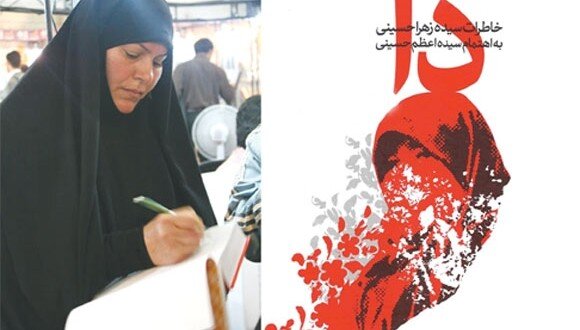
June 3rd (Khordad 3rd), the anniversary of the liberation of Khorramshahr, is not only a reminder of the bravery of the warriors of Islam; it is also testimony to the treachery of groups who, alongside the Ba'athist enemy, stabbed Iran's backlines. The book "Da" (Mother), the memoirs of Seyedeh Zahra Hosseini, presents a rarely seen image of the MKO's collaboration with Saddam during the days of Khorramshahr's occupation.
June 3rd (Khordad 3rd) is not just a golden leaf in the national honor calendar; it symbolizes the "reclamation of dignity from the clutches of humiliation." Khorramshahr, which was occupied by the Ba'athist enemy for 578 days, was liberated with the bloodshed and eternal bravery of the warriors of Islam. But behind this great epic lies a bitter and less-told story: the story of the "fifth column"; the story of those who, dressed as allies, stabbed the nation's body with a dagger from behind during the hardest days of war.
The MKO, this cult affiliated with Saddam, while ostensibly claiming to "support the fronts," in practice acted as spies, corpse-stealers, and harassers of warriors' families. The book "Da" — this enduring masterpiece of memoirs by Seyedeh Zahra Hosseini from the perspective of a seventeen-year-old girl under siege in Khorramshahr — unmasks the true face of these traitors.
On the eve of the anniversary of Khorramshahr's liberation, we review parts of this book that show how "internal treason" complemented the external enemy's efforts, and how the warriors of Islam, while fighting at the front, were also forced to confront an enemy in the backlines.
1. Khorramshahr Under Siege; A Two-Front War
Seyedeh Zahra Hosseini, the narrator of "Da," begins her account of the early days of the war less than a month after the Iraqi invasion. What distinguishes her narrative from other memoirs are the frequent references to the "internal enemy"; an enemy dressed as ordinary citizens, lurking in the alleys of Khorramshahr and Abadan, gathering information on weaknesses, and knocking on warriors' doors in the dark of night to "see which house has a man and which doesn't."
A noteworthy point is that in their initial analyses, the MKO considered the war "reactionary and unjust," claiming Iran sought to "export the revolution," not defend the homeland. Yet in practice, less than seven days after the war began, they showed up at the fronts; not to fight, but to spy, spread terror, harass warriors' families, and even steal corpses.
2. The MKO's Corpse-Stealing; The Bitterest Treason at the Peak of Grief
One of the most shocking sections of "Da" is the account of "stealing the bodies of martyrs" by the MKO. In those days when Khorramshahr was under shelling and families could barely identify their loved ones' remains, MKO members would pose as relatives of the martyrs and take the bodies from hospitals.
The narrator says on page 321:
"Later it became clear that he was a member of the Mojahedin Organization who were parading the martyrs in cities under the name of their own group for their propaganda."
Imagine: in the midst of a grieving mother's sorrow, those who called themselves fighters and revolutionaries would steal her child's body to use for their group's propaganda. This is the other side of treason, less spoken of during the days of Khorramshahr's liberation.
3. The Enemy's Fifth Column; From Giving Away IRGC Bases' Coordinates to Assassinating Warriors' Families
"Da" clearly shows that the MKO did not limit themselves to propaganda and corpse-stealing; they actively sold information on the positions of Iranian military bases to the Ba'athist army.
In one of the bitterest sections (pages 677 and 678), Habib, the narrator's husband, tells of the martyrdom of her brother, Seyed Ali Hosseini, and the explosion at the IRGC base. He narrates that after Iraqi shells hit the base, a "very well-dressed man in a suit" showed up and, with his leading questions, made sure he had "done his job well or not." Habib says: "It seemed he was part of the enemy's fifth column who had given away the coordinates of our base."
This is not an isolated narrative. The narrator also speaks elsewhere of nightly harassment by MKO members, the beheading of a Sepah (IRGC) warrior's wife and three children (page 700), and attempts to enter the homes of warriors' families.
4. Khorramshahr was Liberated, But the Treason Didn't End
The liberation of Khorramshahr on June 3rd, 1982 (Khordad 3, 1361), was a turning point in the Imposed War. This victory showed the world that despite all the problems, sanctions, and proxy war, the Iranian nation would not give up. But what the book "Da" reminds us of is that "military victory" is incomplete without "victory over internal treason."
The MKO were the ones who:
- Knocked on warriors' doors at night "to see where there was a man and where there wasn't" (p. 671)
- Stole martyrs' bodies for their own propaganda (p. 321)
- Had infiltrated hospitals to forge martyrs' documents (p. 172)
- Coordinated with the Iraqis and gave away military base locations (p. 678)
These betrayals occurred while the warriors of Islam fought on the frontlines with minimal resources against the Ba'athist army.
Today, when we hear the name "Khorramshahr," it reminds us of epic bravery and sacrifice. But we must not forget that this epic occurred against a backdrop of betrayals which, had they not happened, perhaps Khorramshahr would have been liberated sooner, and fewer martyrs would have fallen.
The book "Da" reminds us: "The external enemy inflicts a wound, but the internal traitor pours poison into the wound."
June 3rd (Khordad 3rd) is not only the day of victory over the Ba'athist enemy; it is a reminder of the costs the Iranian nation also paid against the "internal enemy." Today, as the MKO and their supporters, with changed appearances, once again conspire against Iran's security, the narrative of "Da" is more instructive than ever.
The liberation of Khorramshahr proved that no treachery can break a nation's will. But history never forgives a traitor. The book "Da" is testimony from yesterday's generation to today's generation that: Be careful, treason always changes its face, but it always lurks in the shadows.
Honored be the memory of all the martyrs of Khorramshahr, whether martyred by the enemy's bullets or by the MKO's treachery.