
 How can someone who professes a religion founded on mercy justify killing another person in the name of that faith? Before examining violent behavior, we may need to reconsider our picture of religion itself. Mercy is among Islam's most fundamental ideas, linking a person's relationship with God, the Prophet, the Quran, and other people. The Quran opens with “In the name of God, the Most Compassionate, the Most Merciful,” and repeatedly invokes these attributes. Mercy is not merely one moral recommendation among others.
The Quran calls itself “healing and mercy,” and describes the Prophet as a “mercy to the worlds.” If Muslims understand God, the Prophet, and scripture in these terms, mercy should appear in their dealings with family, neighbors, compatriots, and people of different beliefs and ways of life. Violence against another person is a departure from a principle the perpetrator claims to follow.
Shared faith alone does not prevent violence. People who believe in one God, Prophet, and scripture have attacked one another throughout history. What intervenes between professed mercy and violent conduct? One answer is ignorance about others. Harsh judgments often arise before we understand another person's worldview, experience, or reasons for acting.
The Quranic account of Moses and Khidr illustrates this gap. Moses objects to actions he cannot understand with the knowledge available to him; Khidr asks how he can be patient with something whose underlying reality he does not know. In social life too, people rush to judge the unfamiliar. When ignorance combines with prejudice and fear, misunderstanding can rapidly become hostility. Knowing others will not erase disagreement, but can help us manage it before it becomes enmity.
This matters especially in Sistan and Baluchestan, where followers of different Islamic schools live together. Differences in doctrine and jurisprudence are a normal part of the province's social life. Trouble begins when each group treats its interpretation as the sole embodiment of truth and the other's as absolute falsehood. Lasting coexistence does not require abandoning beliefs or differences. Strong conviction can coexist with the possibility that one is mistaken and another view contains some truth.
A claim to possess absolute truth can nourish violence. Someone with a different understanding becomes an embodiment of falsehood instead of a fellow human being. Exclusion, excommunication, and ultimately physical elimination can then seem defensible. Firm belief is not the problem; it begins when a person sees no distance between truth itself and their interpretation of it.
Islamic tradition offers a corrective. A saying attributed to Imam al-Shafi'i holds: “My opinion is correct but may be wrong; another's is wrong but may be correct.” Such humility does not demand disbelief or make every belief equally valid. One can argue for a position while accepting that human understanding is fallible. The distinction between “this is how I understand the truth” and “I alone am the truth” can be the difference between dialogue and violence.
Rumi puts it this way: “Whoever says all are right is a fool; whoever says all are wrong is wicked.” A person with whom we disagree may show honesty, integrity, or insight, while we may err in our own words or actions. Recognizing that possibility does not erase religious differences, but prevents them from becoming a complete rejection of another's humanity.
Social cohesion matters independently. In the Quranic account of Moses and Aaron mentioned in the speech, Aaron voices concern about division among the Israelites. Whatever the interpretive details, disagreement over belief need not lead to social rupture. People can disagree seriously while preserving shared life, conversation, and a commitment to preventing violence.
A theology of mercy is thus more than a theoretical account of divine attributes. It can support social security if sermons and moral advice become a way of treating others, especially in moments of disagreement. Terror follows the opposing logic of elimination: the other is an obstacle to remove, not someone to address. It leaves no room for understanding, dialogue, or doubt about one's judgment. A society that draws on religious resources for mercy, mutual respect, and humility may curb some ideas that feed violence before they turn into action.
In Sistan and Baluchestan, where religious diversity is part of the historical and social fabric, this has practical importance. Lasting security is built not only by containing armed threats but also in relationships among people who regard one another as worthy of respect and a shared life. A believer who remains committed without claiming absolute possession of truth, seeks to understand others, acknowledges fallibility, and extends mercy amid disagreement is a powerful defense against the logic of terror.
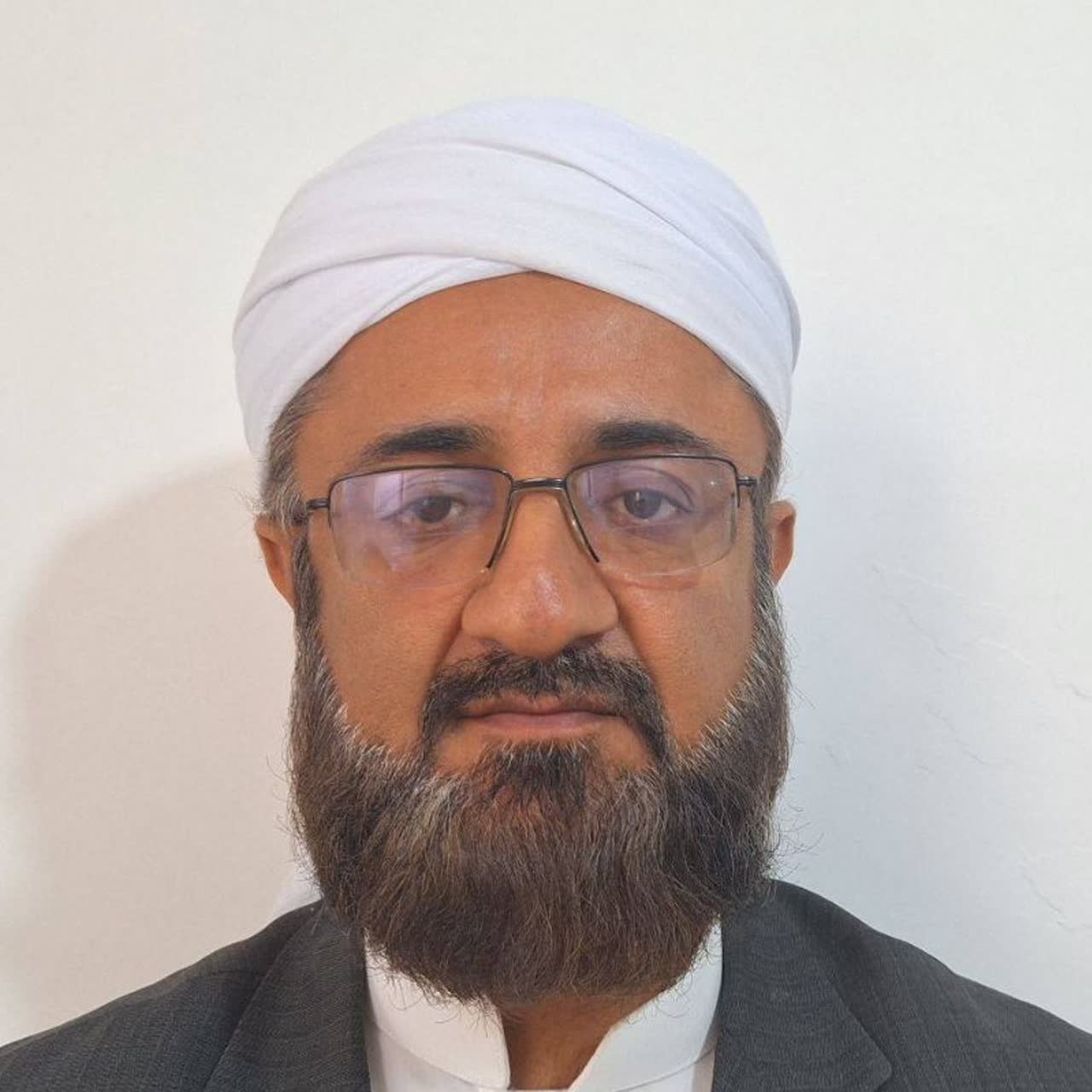
By Molavi Mohammad Jafar Mohebbi, a commentary for the Habilian Association
Director of the Office of the Supreme Leader's Representative for Sunni Affairs in Zahedan