
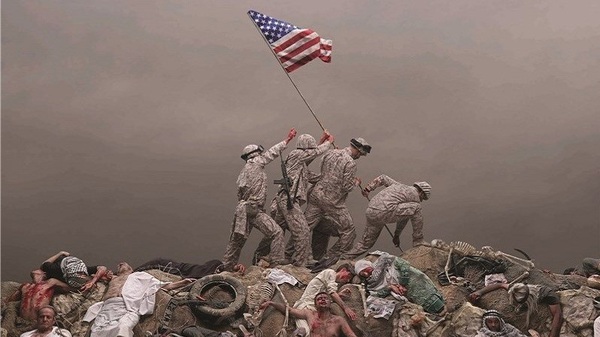
 Exclusive commentary: The United States' latest departure from the UN Human Rights Council should not be considered a decisive event or a major loss to the global human rights system, the author argues. Washington announced its withdrawal after international reporting on attacks on civilian targets, including a UN fact-finding mission's report concerning the Shajareh Tayyebeh school in Minab. He regards the move as part of a recurring pattern of avoiding international accountability. Washington has previously boycotted or left the Council, and its participation does not change the historical record.
From Indigenous Dispossession to Cultural Destruction
The author describes racist and exploitative policies as part of US history from its founding. Settlers' treatment of Indigenous people extended beyond land seizures and violent mass killing. For decades, the government separated children from their families and sent them to compulsory boarding schools. An official US report recorded at least 973 Indigenous children who died in those schools between 1819 and 1969. Some 18,624 children were identified, while the number affected may have been higher. From 1871 to 1969, the government spent the equivalent of $23.3 billion in today's money on the school network, intended to dismantle Indigenous identity, culture, and community ties. Such abuses, the author argues, were for long periods part of official policy.
Slavery and Its Legacy
The 1790 census recorded about 700,000 enslaved people in the United States, rising to nearly four million by the mid-19th century. Slavery ended legally after the Civil War, but Black Americans continued to face disenfranchisement, violence, economic discrimination, and segregation. The Civil Rights Act of 1964 banned segregation in public facilities including restaurants, hotels, schools, and libraries. The Voting Rights Act the following year removed literacy tests and other barriers to voting. Legal racial discrimination persisted well beyond the 19th century.
Women Denied the Vote
American women were also deprived for decades of the basic political right to vote. The 19th Amendment was ratified in 1920, but discriminatory state laws still prevented Black women and many other minority women from voting in practice. For many, effective access came decades after white women secured it.
Coups and Wars Abroad
The author's examples of US conduct abroad include the atomic bombings of Hiroshima and Nagasaki in 1945, which he says killed more than 200,000 civilians and had lasting consequences; the August 1953 coup against Mohammad Mosaddegh and the consolidation of the Shah's rule; killings in Vietnam; and the 1988 downing of Iran Air Flight 655, which killed all 290 aboard.
He also points to wars after September 11 in which the United States played a direct or central role. Brown University's Costs of War project estimates that around 432,000 civilians died from direct violence in those wars between 2001 and 2023. The figure does not assign all those deaths to US operations alone, but indicates the human scale of conflicts in which Washington was a leading actor. He cites Afghanistan and Iraq as records of US intervention and violence.
Minab and Sirik
The author says a missile strike on a school in Minab during the military assault on Iran in Esfand 1404 killed more than 168 people, including approximately 120 primary-school pupils. He says a UN fact-finding mission recently found clear grounds for US responsibility and characterized the strike as a war crime. According to the article, the mission made similar observations about an attack on a sports facility in Lamerd that killed and injured civilians.
Another strike on a home during a wedding in Sirik, Hormozgan province, killed five people, including two children, and injured more than 50, the article says. The author argues that attacking a civilian wedding venue points to deliberate violence against civilians.
Withdrawal and Accountability
The author sees withdrawal as a defensive response to human rights criticism and a lack of commitment to international standards. Washington officially invoked national interests, the UN's alleged ineffectiveness, and what it calls Council bias. The timing amid growing documentation of US military operations, he argues, suggests an effort to reduce political pressure and avoid scrutiny.
The United States can leave an institution but cannot erase its history, war victims, or legal and moral responsibilities, he concludes. In his view, a government that claims to defend human rights while resisting international accountability cannot credibly sit in judgment of others.
By Seyed Reza Qazvini, researcher in terrorism and West Asian studies