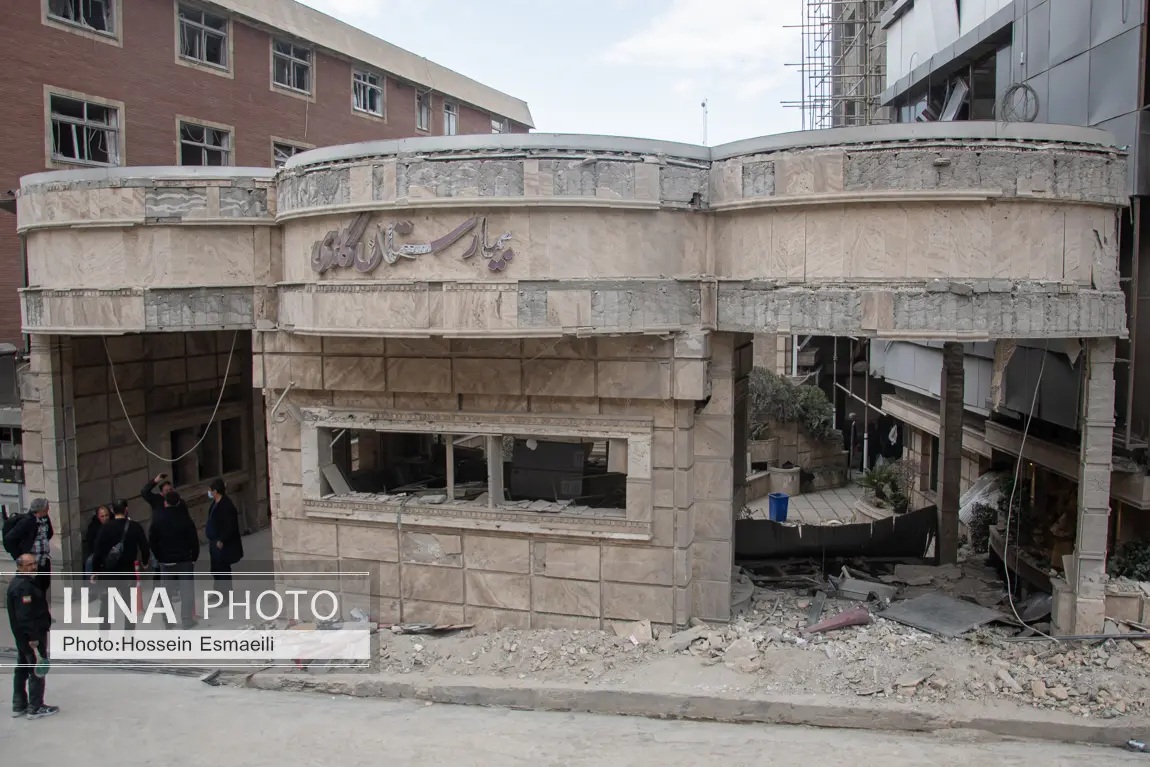
 Statements by Fatemeh Mohammadbeigi, a member of the Majlis Health Commission, regarding attacks on 24 pharmaceutical and medical equipment companies in Iran, reveal a reality that goes beyond a conventional military action. She described these attacks as a clear example of a war crime and emphasized that the enemy’s method differs fundamentally from conventional military warfare. This fundamental difference leads us to the question: Are we merely facing a war crime, or a form of state terrorism in which the aggressor state directly plays the role of the terrorist?
In international humanitarian law, medical and pharmaceutical facilities enjoy special protections. Article 18 of the Fourth Geneva Convention (1949) explicitly states that civilian hospitals may in no circumstances be attacked, and Article 12 of Additional Protocol I (1977) extends this protection to medical warehouses and pharmacies. However, what occurred in these attacks goes beyond a violation of these laws. Instead of confronting military capabilities, the enemy targeted the Iranian people’s chain of survival—facilities that, according to the Health Commission member, included some engaged in the production of anti-cancer drugs and the supply of scarce medicines.
The deliberate destruction of medicine for cancer patients and scarce drugs is not a military action to weaken defensive capabilities; it is the slow killing of patients who play no role in the conflict. These actions fully match the criteria defined for terrorist operations: creating fear and terror among civilians and targeting vital civilian infrastructure. UN Security Council Resolution 2286 (May 2016), adopted by consensus, also declares “intentional attacks on hospitals and places where the wounded and sick are gathered” to be war crimes and calls on governments to end impunity for the perpetrators. Resorting to genocide, war crimes, and various indiscriminate attacks is nothing but an admission of failure in direct confrontation and a shift in tactics toward state terrorist operations.
This pattern can be found in the definition of state terrorism: the use of state power tools to inflict maximum harm on civilians and civilian infrastructure when conventional military options have failed.
One characteristic of modern state terrorism is the attempt to legitimize crime. The attackers may claim that these centers had dual use, but Article 19 of the Fourth Geneva Convention stipulates that even if medical facilities are used for acts harmful to the enemy, protection is lost only after a prior warning with a reasonable time limit is given. The reality is that attacking centers for the production of medicine and medical equipment is strictly prohibited under the principles of distinction and proportionality. The Health Commission member’s emphasis that these centers operated under research and knowledge-based support shows that the goal was also the destruction of the country’s scientific capabilities in the health sector.
The international community’s indifference to such attacks paves the way for their repetition in other parts of the world. The Rome Statute of the International Criminal Court (1998), in Article 8, declares intentional attacks on buildings, equipment, and medical units to be war crimes. Registering the damages inflicted on the health sector in international forums as “war crimes” is a legal duty. Beyond that, exposing the terrorist nature of these actions can strengthen Iran’s public diplomacy in revealing the true face of the aggressor.
Fortunately, Iran’s health system, relying on domestic capabilities, has achieved 98% self-sufficiency in the number of medicines. This capacity provides a strong backbone for neutralizing this plot. The clear message of these attacks to the Iranian nation is that the enemy, having despaired of military war, has turned to war against public health—an effort that, with the steadfastness of the people, scientists, and medical staff, is doomed to failure.