 On the occasion of the International Day for the Prevention of Violent Extremism as and when conducive to Terrorism, observed on February 12, a review of Iran’s experience over the past decade offers valuable lessons with global relevance. The day serves as a reminder of a bitter truth: violent extremism, regardless of borders or beliefs, has targeted lives and peace of mind across the world.
Over the past ten years, the destructive activities of extremist terrorist groups—driven by differing motives and ideologies but employing largely similar methods—have remained a persistent and bloody challenge. These groups, rooted primarily in complex regional and international developments, have sought to achieve political, ideological, or separatist goals by spreading fear, insecurity, and instability. Even a brief look at their operational patterns, objectives, and nature provides a clearer picture of the threats they pose.
A significant portion of the decade’s violent terrorist attacks has been carried out by groups operating under the banner of Takfiri ideology and targeting Iran’s security in the region. Foremost among them is ISIS (the so-called Islamic State of Iraq and Syria). The peak of ISIS attacks on Iranian soil came in 2017, with coordinated assaults on the Iranian Parliament building and the mausoleum of Ayatollah Ruhollah Khomeini. The attacks, which killed a number of civilians, were intended to project a message of vulnerability and weakness to Iranian society. Yet Iran’s decisive response and the national resolve to confront the phenomenon underscored the failure of that strategy.
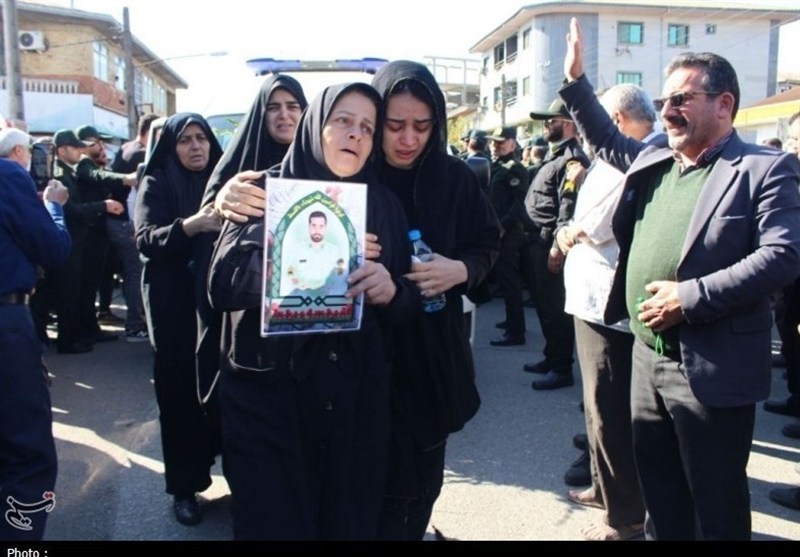
Alongside ISIS as a transnational actor, regional and local extremist groups have also played an active role. Jaish al-Adl, operating in the southeastern province of Sistan and Baluchestan, stands out as a prominent example. Initially adopting an ethnic tone under the slogan of defending the rights of Sunni Baluch communities, the group quickly moved toward embracing Takfiri discourse. Its operational model has largely focused on guerrilla-style attacks and ambushes targeting border guards, members of the Islamic Revolutionary Guard Corps, police forces, and at times civilians in remote border areas. Attacks on border outposts in Mirjaveh and Rask, as well as clashes along the Khash–Zahedan road, rank among its bloodiest operations in the past decade. Beyond the immediate casualties, such attacks have also taken a toll on the daily lives and psychological well-being of residents in eastern provinces.
On the other end of the spectrum are groups that center their activities on ethnic identity and pursue violence under separatist slogans. Some organizations active in Iran’s Kurdish regions—such as the Kurdistan Free Life Party (PJAK), which considers itself affiliated with Turkey’s Kurdistan Workers’ Party (PKK)—fall into this category. Over the past decade, their activities have included sporadic armed clashes with security forces in border areas, attacks on infrastructure, and harassment-style operations. Their primary objective has been to assert their presence and exert pressure on the state in pursuit of political concessions or autonomy. Although the scale and intensity of their operations have been more limited compared to Takfiri groups, their actions have had a direct impact on the sense of security among residents in western Iran. It is also notable that their activities have often been intertwined with developments and tensions in Iraqi and Syrian Kurdistan, and have at times benefited from regional backing.
Another group long associated with violence and assassination is the organization known in Iran as the “Monafeqin” (the People’s Mojahedin Organization of Iran, or MEK). Responsible for widespread assassinations of Iranian officials and civilians in the 1980s and 1990s, the group has in recent decades been based first in Iraq and later in Albania. In the past ten years, its activities have focused on activating covert cells inside Iran, while concentrating more heavily on psychological warfare, extensive propaganda against the Islamic Republic’s political structure, lobbying in international institutions, and certain cyber or intelligence-related sabotage operations.
Despite their ideological and organizational differences, these groups’ actions over the past decade have followed several troubling and common patterns. First, the deliberate targeting of civilians and religious or national symbols to maximize fear and media impact. Second, the extensive use of cyberspace and modern media platforms for propaganda, recruitment, claims of responsibility, and psychological operations. Third, attempts to turn border regions—particularly in the east and west—into zones of chronic insecurity, placing pressure on security forces while disrupting local development. And fourth, reliance on varying degrees of support or safe havens in neighboring countries, turning counterterrorism efforts into a complex diplomatic challenge.
The consequences of these activities extend far beyond casualty figures and material damage. They have imposed heavy human, financial, and psychological costs on Iranian society, diverted national resources from development toward security needs, and in some instances fueled tensions in relations with neighboring states.
Ultimately, on the International Day for the Prevention of Violent Extremism as and when Conducive to Terrorism, Iran’s experience carries a message of cautious hope for the global community: while terrorism and violent extremism represent serious and enduring threats, they are not insurmountable. Over the past decade, Iran has sought to demonstrate that firm confrontation with terrorist actors can—and must—be accompanied by efforts to address the social and economic conditions that breed extremism. Such national resilience not only thwarts the immediate objectives of terrorism, but also strengthens society against future shocks. Along this difficult path, vigilance, unity, and sustained investment in human and social capital remain the most effective tools any nation can wield in preventing violent extremism and building a more peaceful future.